
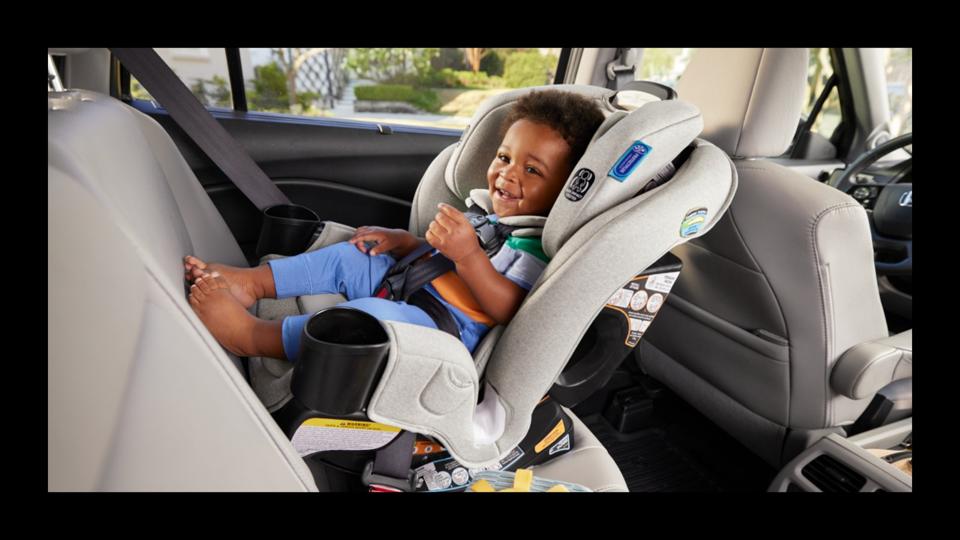
If you’re a parent or caregiver, you’ve probably wondered, “How long can my baby safely stay in a car seat?” It’s a question that matters because your baby’s comfort and safety come first. Leaving your little one in a car seat for too long can cause discomfort or even pose health risks.
But how do you know the right amount of time? You’ll discover simple, clear answers to keep your baby safe and happy during every trip. Keep reading to learn what experts say and what you can do right now to protect your child.
Credit: www.safeintheseat.com
Recommended Time Limits
Keeping a baby safe in a car seat means knowing the recommended time limits. Babies should not stay in a car seat for too long without a break. Sitting too long can cause discomfort and affect their breathing. Parents must watch the time carefully to protect their child’s health and comfort.
Maximum Duration Per Ride
Babies should not be in a car seat for more than 2 hours at a time. This limit helps reduce risks like poor circulation and breathing problems. If the ride is shorter, no problem. But for longer trips, plan to stop often. Always watch for signs of fussiness or discomfort.
Breaks During Long Trips
Stop every 1.5 to 2 hours to give your baby a break. Take them out of the car seat and hold them upright. Let them stretch and move freely. Use this time for feeding, changing, and calming your baby. These breaks keep your baby safe and happy during long drives.

Credit: www.reddit.com
Risks Of Extended Use
Leaving your baby in a car seat for too long can lead to several risks you might not expect. While car seats are designed for safety during travel, extended use outside of those moments can cause discomfort and even health issues. Understanding these risks helps you make better choices about when to take your baby out and give them a break.
Physical Strain On Baby
Babies have delicate bodies that are still developing. Sitting in a car seat for hours can put unnecessary pressure on their spine and hips. This position limits their movement and may cause muscle stiffness or discomfort.
Think about how you feel after sitting in one position for a long time—your body starts to ache. Your baby experiences the same, but they can’t tell you. You need to watch for signs like fussiness or unusual restlessness.
To protect your baby’s physical health, try to limit car seat use to the duration of travel. If you must keep them in a seat longer, make sure to take breaks and hold or lay them down safely when possible.
Breathing And Circulation Concerns
Extended time in a car seat can affect your baby’s breathing and blood flow. The semi-reclined position can cause the head to fall forward, which narrows the airway and makes breathing harder.
Moreover, the straps that keep your baby secure might restrict circulation if too tight or if the baby is in the seat too long. Watch for pale or blotchy skin, and check that the straps fit properly—not too tight, not too loose.
Have you noticed your baby turning red or making unusual breathing sounds after a long car ride? These could be signs that it’s time for a break from the car seat. Always prioritize your baby’s comfort and safety over convenience.
Safe Car Seat Practices
Keeping your baby safe in a car seat is about more than just strapping them in. It’s about how you position the seat and how you secure the harness. These details can make a big difference in comfort and safety during every trip.
Proper Seat Positioning
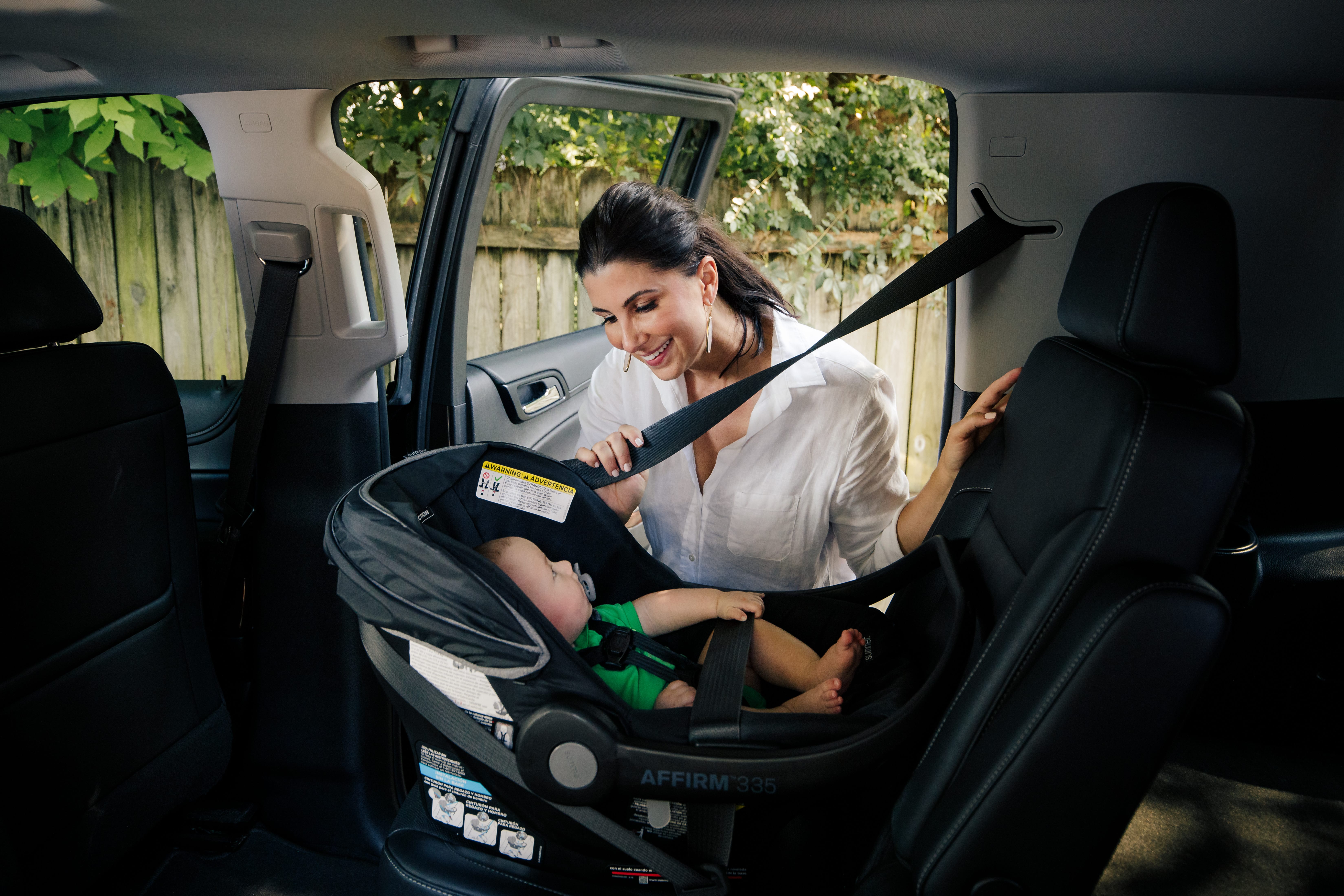
Your baby’s car seat should always face the rear of the vehicle until they reach the maximum height or weight limit set by the manufacturer. Rear-facing seats provide better support for your baby’s head, neck, and spine in case of sudden stops or crashes.
Position the seat at the correct angle—usually around 45 degrees—to keep your baby’s airway open. Too upright or too reclined can cause discomfort or even breathing problems. Check the seat’s built-in angle indicator to be sure.
Securing Harness Correctly
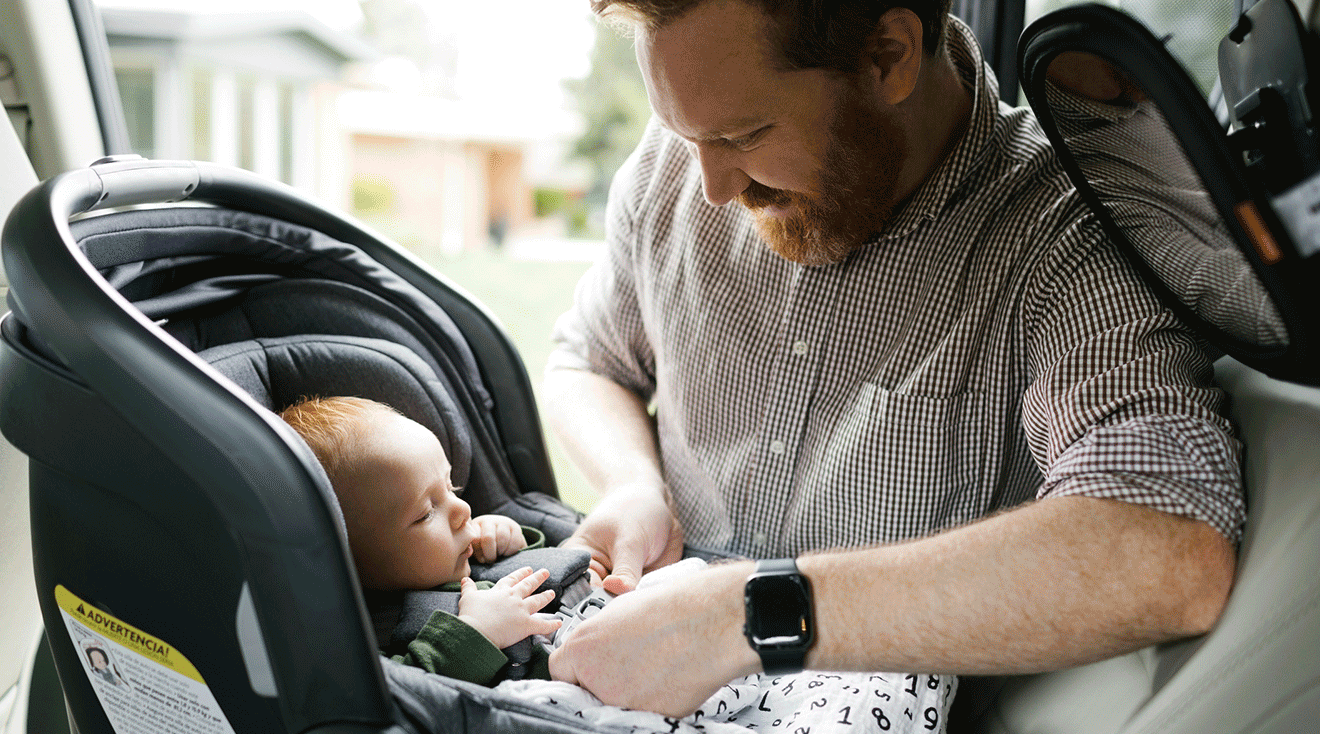
The harness should fit snugly against your baby’s body without any slack. You should not be able to pinch any webbing between your fingers once it’s tightened. Loose harnesses can cause serious injury in a crash.
Make sure the harness straps sit at or below your baby’s shoulders when rear-facing. The chest clip should be placed at armpit level to keep the straps properly positioned on your child’s chest. Have you checked your harness fit today?
Signs Baby Needs A Break
Knowing when your baby needs a break from the car seat is crucial for their comfort and safety. Babies can’t tell you when they are uncomfortable, so you have to watch for signs that indicate they need to be taken out and stretched. Recognizing these signs early can help prevent fussiness, discomfort, and potential health issues.
Fussiness And Discomfort
One of the most obvious signs your baby needs a break is increased fussiness. If your little one suddenly starts crying or squirming more than usual, it could mean they are uncomfortable in the car seat. Sometimes, they might arch their back or try to push against the straps, signaling the need to be freed.
You might notice your baby becoming restless or showing signs of frustration during long drives. These behaviors often mean they need a change of position or simply some time outside the seat. Have you ever felt stiff after sitting too long? Your baby feels that too, even if they can’t say it.
Physical Indicators
Watch for physical signs like red marks or indentations on your baby’s skin after being in the car seat for a while. These marks can indicate pressure points where the harness or seat may be too tight or the position is uncomfortable.
Another sign is when your baby’s posture looks strained or unnatural. Slumping over or having difficulty keeping their head up can be a clear signal they need a break. If you notice any changes in breathing patterns or skin color, such as pale or flushed cheeks, stop and check immediately.
Have you checked your baby’s position in the seat recently? Simple adjustments or breaks can make a big difference in comfort and safety.
Alternatives For Long Travel
When planning long car trips with a baby, safety and comfort are key. Car seats are essential for safety, but staying in one too long can be uncomfortable. Finding alternatives for longer travel ensures your baby remains comfortable and safe.
Frequent Stops For Movement
Plan regular breaks during your journey. Stop every couple of hours for a stretch. Allow your baby to move freely and get some fresh air. These breaks help prevent discomfort and restlessness. They also give parents a much-needed pause from driving.
Using Portable Baby Seats
Consider portable baby seats for breaks. These seats are lightweight and easy to carry. They provide a safe spot for your baby outside the car. Use them during stops for feeding or playtime. Portable seats offer flexibility and comfort on the go.
Credit: www.thebump.com
Car Seat Safety Regulations
Car seat safety regulations protect babies during every trip. These rules guide how long a baby can safely stay in a car seat. They help parents understand limits based on age and size. Following these rules reduces injury risks and keeps children secure.
Current Guidelines
Regulations recommend that infants remain in rear-facing car seats as long as possible. Experts advise keeping babies rear-facing until at least 2 years old or until they reach the seat’s height or weight limit. This position offers the best protection for a baby’s head, neck, and spine.
Once a child outgrows the rear-facing seat, they should switch to a forward-facing seat with a harness. The laws also require proper installation of the car seat to ensure maximum safety. Regular checks for recalls and seat wear are important.
Age And Weight Considerations
Age and weight are key factors in car seat safety rules. Most rear-facing seats support babies up to 40 pounds, but this varies by model. Parents should always check the specific limits on their car seat labels.
Children under 2 years old should remain rear-facing unless the seat’s limit is reached earlier. Forward-facing seats usually fit children from 20 to 65 pounds. Booster seats come after forward-facing seats and are for older, heavier kids.
- Keep babies rear-facing until they hit height or weight limits.
- Switch to forward-facing when the rear-facing seat is outgrown.
- Use booster seats only after the forward-facing seat phase.
Following these age and weight rules keeps babies safe during car rides. It prevents injuries by using the correct seat type for their size.
Frequently Asked Questions
How Long Can A Baby Safely Stay In A Car Seat?
Babies should not stay in a car seat for more than 2 hours continuously. Prolonged sitting can affect breathing and posture. Frequent breaks during long trips are essential for safety and comfort.
When Should I Stop Using An Infant Car Seat?
Stop using an infant car seat when your baby exceeds the weight or height limit. Usually, this is around 22-35 pounds or when the baby’s head reaches the seat top. Transition to a convertible car seat for continued safety.
Can Extended Car Seat Use Affect A Baby’s Health?
Yes, extended use may cause breathing issues or flat head syndrome. Babies need time outside the seat for movement and development. Limit continuous car seat time to protect your baby’s health.
Is It Safe To Sleep In A Car Seat For Long Periods?
Sleeping in a car seat for long periods is not recommended. It may restrict breathing and cause poor posture. Always transfer your baby to a flat, firm surface for sleep whenever possible.
Conclusion
Babies should not stay in car seats for too long at once. Their safety and comfort matter most during every trip. Always follow the car seat’s weight and height limits. Take breaks on long rides to let your baby stretch and move.
Watch for signs of discomfort or fussiness. Choose the right car seat for your baby’s age and size. Keeping these tips in mind helps protect your little one on the road. Safe travels start with smart car seat use.