
You want to keep your child safe every time they get in the car. But when exactly can your kids stop using car seats?
It’s a question every parent wonders about, and the answer isn’t always simple. Using the right car seat at the right time can protect your child from serious injury. If you’re unsure when to make the switch, this guide will clear up the confusion and help you make the best choice for your family’s safety.
Keep reading to find out the key signs and rules you need to know before letting your child ride without a car seat.

Credit: www.jovikids.ae
Car Seat Stages
Understanding the different car seat stages helps you keep your child safe and comfortable during every drive. Each stage matches your child’s size and weight, so switching at the right time matters. Let’s break down the main types of car seats and when your child is ready to move on.
Infant Seats
Infant seats are designed for newborns and babies up to about 20 to 35 pounds, depending on the model. These seats always face the rear of the car, which offers the best protection for tiny necks and heads. I remember how nervous I was the first time we buckled my baby into an infant seat—knowing it was the safest option made me feel more confident.
Keep your child rear-facing as long as possible. Many experts recommend waiting until your child reaches the top weight or height limit of the infant seat before switching.
Convertible Seats
Convertible seats grow with your child and can be used both rear-facing and forward-facing. You start using them rear-facing for toddlers and then flip them to forward-facing when your child is ready—usually around 2 years old or when they outgrow the infant seat’s limits.
These seats often last longer, which can save money and hassle. Ask yourself if your child’s car seat still fits their height and weight well before making the switch.
Booster Seats
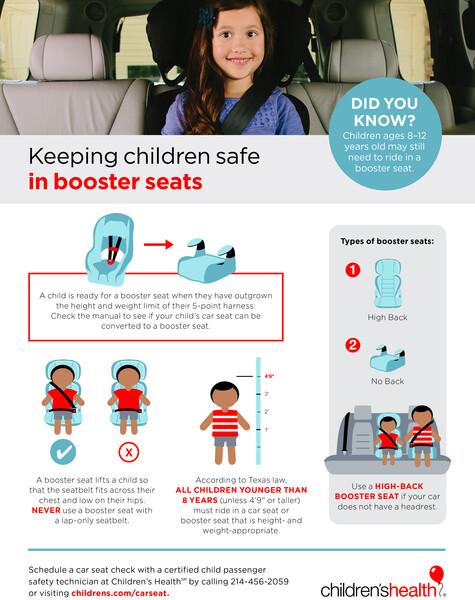
Booster seats come into play once your child outgrows their forward-facing convertible seat but isn’t tall enough to use the regular seat belt safely. Typically, this happens when your child weighs around 40 to 80 pounds and is between 4 and 8 years old.
Booster seats position the seat belt so it fits properly over your child’s shoulder and lap, reducing injury risk. Are you sure your child’s seat belt fits correctly without a booster? If not, it’s time to upgrade.
Age And Size Limits
Understanding the age and size limits for car seat use is crucial for your child’s safety. These limits ensure that the car seat provides the right protection as your child grows. Let’s break down the key factors you need to watch for when deciding if your child is ready to stop using a car seat.
Weight Requirements
Each car seat model has specific weight limits that determine when your child can transition out of it. Typically, rear-facing seats support children up to 40 pounds, while forward-facing seats often handle up to 65 pounds.
Have you checked your car seat’s manual lately? It’s important to follow these limits closely because exceeding the weight limit can reduce the seat’s effectiveness in a crash.
Height Requirements
Height is just as important as weight. Many car seats have a maximum height limit, often around 49 inches for booster seats.
If your child’s head reaches the top of the seat’s back or harness, it’s time to consider the next stage. Ignoring height limits can compromise head and neck protection.
Age Recommendations
Age guidelines provide a general idea, but every child grows differently. Experts recommend keeping children in a car seat until at least 8 years old or until they meet the size criteria for a seatbelt alone.
Think about your own child’s comfort and safety. Are they securely buckled with the seatbelt correctly positioned on their shoulder and hips? If not, it’s a sign to keep using the car seat.
State Laws And Regulations
Understanding when your child can stop using a car seat is not just about their age or size—it’s also about following the laws where you live. Each state has its own rules designed to keep kids safe on the road. Knowing these laws helps you avoid fines and, more importantly, protects your child in every ride.
Variations By State
Every state sets different requirements for car seat use, based on age, weight, and height. Some states require children to remain in a car seat until they are at least 8 years old, while others base it on reaching 4 feet 9 inches tall.
For example, in California, kids must use a car seat until they are 8 years old or 4 feet 9 inches tall. Meanwhile, Texas allows children to transition to a booster seat at age 4 if they meet specific weight and height criteria.
Have you checked the exact rules for your state? Not all states update their laws at the same time, so staying informed is essential.
Legal Consequences
Failing to follow your state’s car seat laws can lead to fines and even points on your driving record. But the risks go beyond legal trouble. Using the wrong seat or stopping too early increases injury risks during accidents.
One parent I know faced a hefty fine simply because they switched their child out of a booster seat too soon. It was a costly lesson that made them rethink how carefully they follow the rules.
Are you risking fines or, worse, your child’s safety by guessing when to stop using a car seat?
Updating Car Seat Rules
Car seat laws are not set in stone. States often update their regulations to reflect new safety research. This means a law you followed last year might have changed this year.
For example, some states have recently increased the minimum age or height requirements for booster seats. Staying updated means you can adjust your child’s safety gear as soon as new rules apply.
Make it a habit to check your state’s Department of Motor Vehicles website annually. How often do you revisit safety rules for your family?
Transitioning From Car Seats
Transitioning from car seats is a crucial phase in your child’s journey toward independent travel safety. Knowing the right time to switch can protect your child and give you peace of mind. Let’s look at the signs that show your child is ready, how to ensure seat belts fit correctly, and when it’s safe to stop using boosters altogether.
Signs To Move Up
Watch your child’s growth closely. When their shoulders pass the top harness slots of the car seat, it’s time to consider the next stage. Also, if your child can sit comfortably without slouching and their ears are below the top of the seat, these are strong signs to transition.
Have you noticed your child trying to unbuckle or seeming cramped? These behaviors often mean they need more space and a different seat. Don’t wait for discomfort to become a safety issue.
Proper Seat Belt Fit
A proper seat belt fit is the key to safety once your child moves beyond the car seat. The lap belt should lie flat across the upper thighs, not the stomach. The shoulder belt must rest snugly across the chest and shoulder, never under the arm or behind the back.
To check, have your child sit all the way back against the vehicle seat with knees bent at the edge. Does the belt sit correctly? If not, your child likely needs a booster or a different restraint to get the fit right.
When To Stop Using Booster
Boosters are designed to position the seat belt correctly for kids who have outgrown car seats but are still too small for adult belts. Generally, children can stop using boosters when they reach about 4 feet 9 inches tall and are between 8 and 12 years old.
Can your child sit with their back against the vehicle seat and their knees bent comfortably over the edge? If yes, and the seat belt fits well without a booster, it may be time to stop using it. Remember, never rush this step—proper fit and comfort are your guides.
Common Mistakes To Avoid
Ensuring the safety of children in vehicles is crucial. Many parents face challenges with car seats. Mistakes can compromise a child’s safety. Knowing these errors helps avoid them.
Using Seats Too Early
Some parents transition kids to regular seats early. This is risky. Children’s bodies are delicate. Car seats provide essential protection. Ensure the child meets age and weight requirements.
Incorrect Installation
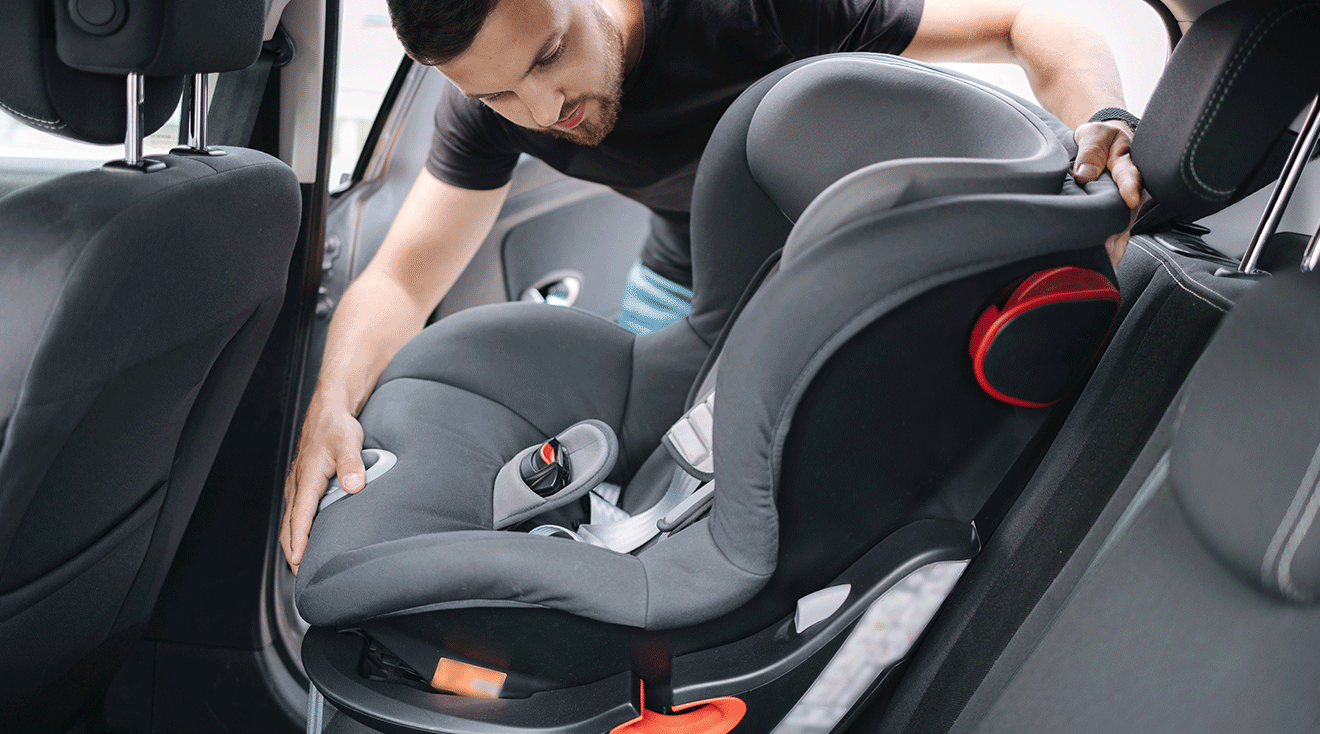
Improper installation of car seats is common. It reduces their effectiveness. Follow installation instructions carefully. Secure the seat tightly. It should not move more than an inch.
Ignoring Manufacturer Guidelines
Each car seat has specific guidelines. Ignoring these rules can endanger your child. Always read the manual. Follow weight, height, and age specifications strictly.
Credit: www.thebump.com
Tips For Safe Travel
Keeping your child safe during every trip means paying close attention to how you travel together. Safe travel isn’t just about having a car seat—it’s about making sure that seat fits well, is used correctly, and that your child understands why safety matters. Let’s look at some practical tips to help you ensure every ride is as secure as possible.
Regular Seat Checks
Car seats can wear out or become loose over time. You should check the seat’s installation regularly, especially after long trips or if you switch the seat between cars. Tighten straps and make sure the seat doesn’t move more than an inch side to side or front to back.
Also, inspect for any damage like cracks or frayed straps. Even small issues can reduce protection. Have you ever thought about how often your car seat gets a thorough check? Setting a reminder every few months can keep safety front and center.
Choosing The Right Seat
Your child’s size and age determine the best car seat choice. Rear-facing seats are safest for infants, but when can you switch to forward-facing or booster seats? Follow manufacturer guidelines closely and check your local laws.
Don’t rush to move your child out of a seat just because they seem ready. A booster seat, for example, is essential until your child is tall enough for the car’s seat belt to fit correctly—usually when they’re about 4 feet 9 inches tall. Choosing the right seat can prevent injuries, so focus on fit over convenience.
Educating Children On Safety
Children are more likely to cooperate when they understand why car seats are important. Talk to your child about how the seat keeps them safe rather than just telling them what to do. Use simple language and relate it to their favorite activities or superheroes to capture their interest.
Ask questions like, “Do you know why we buckle up before the car moves?” This can open a conversation that makes safety a shared responsibility. When kids feel involved, they respect the rules more, making every trip smoother and safer.

Credit: www.childrens.com
Frequently Asked Questions
When Is It Safe For Kids To Stop Using Car Seats?
Kids can stop using car seats when they reach 4 feet 9 inches tall and are between 8-12 years old. They must be able to sit properly with the seat belt fitting correctly across the chest and lap for safety.
What Factors Determine When Kids Leave Car Seats?
Age, weight, height, and proper seat belt fit determine when kids leave car seats. Always follow state laws and manufacturer guidelines for safe transition to booster seats or seat belts.
Are Booster Seats Necessary After Car Seats?
Yes, booster seats are essential after car seats until the seat belt fits properly. They ensure the seat belt sits correctly on the child’s shoulder and lap for maximum protection.
How Do I Know If My Child Fits A Seat Belt?
Your child fits a seat belt if their back rests against the seat, knees bend at the edge, and the belt lies across the chest and lap without slack.
Conclusion
Car seats keep kids safe while traveling in cars. Kids should use car seats until they reach the right height and weight. Always follow your state’s laws and car seat guidelines. Proper use of car seats helps prevent injuries during accidents.
Parents must check the fit as their child grows. Safety comes first on every trip, no matter the distance. Remember, a good car seat protects your child every time you drive. Stay informed and keep your little ones secure. Safety is always worth the extra effort.