

If you’re a parent or caregiver, you’ve probably wondered, “How long can my baby safely stay in a car seat?” It’s a common question because car seats are essential for your baby’s safety during travel. But sitting in one for too long can be uncomfortable—or even risky.
You’ll discover the right amount of time your baby can spend in a car seat, signs to watch for, and tips to keep your little one safe and comfortable. Keep reading to protect your baby and give yourself peace of mind every time you hit the road.

Credit: www.madeformums.com
Safe Duration Limits
Understanding how long your baby can safely stay in a car seat is crucial for their health and comfort. The right timing helps prevent discomfort and reduces risks associated with prolonged sitting. Let’s focus on what experts recommend and how you can spot when it’s time to give your little one a break.
Recommended Timeframes
Most pediatricians suggest limiting continuous time in a car seat to about 2 hours. Beyond this, babies can experience restricted airflow and pressure on their developing spines. For longer trips, plan for regular stops to take your baby out and stretch.
Keep in mind, newborns and smaller infants may need breaks even sooner. Their neck muscles are weaker, and staying in one position too long can affect breathing and circulation. You should never use a car seat as a substitute for a crib or bassinet outside the car.
Signs Baby Needs A Break
Watch for cues that your baby needs to be taken out of the car seat. Fussiness, crying, or restlessness can indicate discomfort. Babies often squirm or arch their backs when they need to change position.
Another sign is if your baby’s face looks flushed or pale, which could mean poor circulation. If you notice any labored breathing or unusual sounds, stop immediately and check their position. Your baby’s comfort and safety are the top priority during every car ride.
Risks Of Prolonged Seating
Babies need breaks from their car seats to stay safe and comfortable. Sitting too long can cause problems. It is important to understand the risks of prolonged seating. This helps parents keep their babies healthy during travel.
Physical Discomfort
Babies can feel tight and stiff after long periods. Their muscles and joints may become sore. Sitting too long in one position can slow blood flow. This may cause redness or swelling in the skin. Babies might cry or fuss because of discomfort.
Car seats are designed for safety, not long sitting sessions. Regular breaks allow babies to stretch and move freely. This reduces discomfort and keeps them calm.
Breathing Concerns
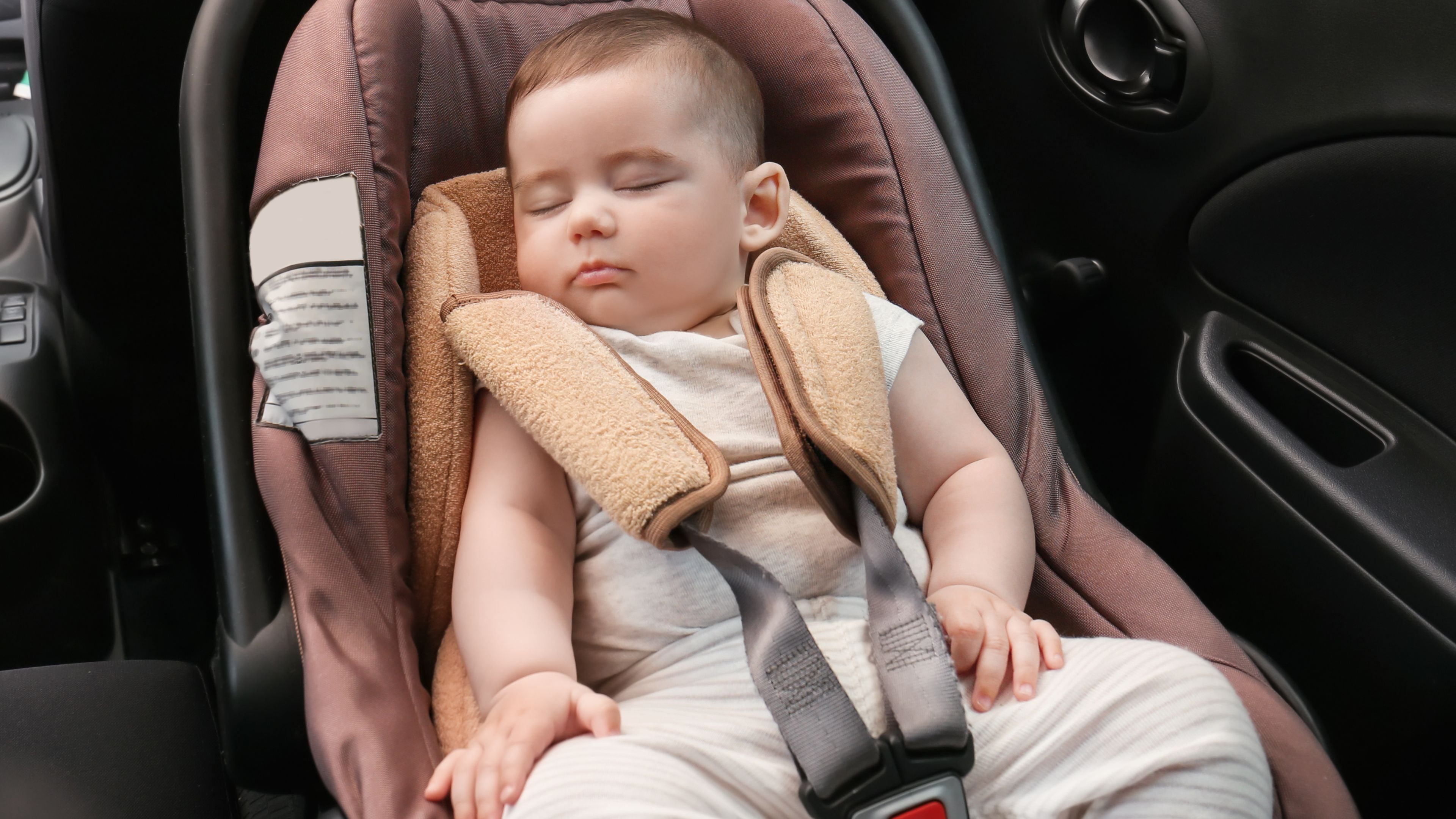
Car seats position babies in a reclined way. Prolonged time in this position can affect breathing. Some babies may have their airways partially blocked. This can cause shallow or uneven breathing.
Infants with breathing issues are at higher risk in car seats. Parents should watch for signs like noisy breathing or color changes. Taking breaks helps improve airflow and reduces breathing problems.
Car Seat Positioning
Car seat positioning is crucial for your baby’s safety and comfort during every ride. It’s not just about strapping your baby in; the angle and adjustments you make can impact their breathing and overall well-being. Paying attention to the right position helps prevent strain and keeps your little one secure as they grow.
Proper Angle For Newborns
Newborns need a reclined position to keep their airways open and avoid slumping. The ideal angle is usually between 30 to 45 degrees from vertical. Many car seats have built-in angle indicators or adjustable bases—use these tools to get it right.
Watch out for your baby’s head falling forward. It’s a common sign the seat is too upright. If you notice this, try adjusting the angle until your baby’s head stays aligned with their body.
Adjusting As Baby Grows
As your baby grows, their car seat angle needs to change too. Older infants can handle a more upright position, which helps them see better and stay comfortable. Check your car seat manual for weight and height guidelines to know when to adjust.
Remember, the goal is to keep your baby supported but not cramped. You might need to reposition the harness straps or use inserts for smaller babies. Keep testing the fit to ensure your child stays secure and cozy.
Frequent Breaks Importance
Babies need frequent breaks from their car seats to stay safe and comfortable. Sitting too long can cause discomfort and affect their health. Regular pauses help prevent stiffness and improve circulation. Parents must plan breaks during long trips to support their baby’s well-being.
Stretching And Movement
Short breaks allow babies to stretch their arms and legs. Movement helps avoid muscle cramps and stiffness. Even gentle wiggles improve blood flow. Taking breaks gives babies a chance to change position safely outside the seat.
Monitoring Baby’s Behavior
Frequent pauses help parents watch their baby’s comfort levels. Babies may cry or fuss if they feel too cramped. Observing these signs early prevents distress. Breaks make it easier to check if the baby needs feeding or a diaper change.
Choosing The Right Car Seat
Understanding how long a baby can safely stay in a car seat is crucial for their safety and comfort. Experts recommend limiting car seat time to a maximum of two hours at a stretch. Frequent breaks help ensure your baby’s safety and well-being during travel.
Choosing the right car seat for your baby is a crucial decision that can impact their safety and comfort. With so many options available, it might feel overwhelming to find the perfect fit. But fear not! By understanding the differences between types of car seats and knowing what to look for in safety ratings, you can make an informed choice.Infant Vs Convertible Seats
Deciding between an infant seat and a convertible seat is one of the first choices you’ll face. Infant seats are specifically designed for newborns and small babies, providing a snug fit and portability. They often come with a base that stays in the car, allowing you to easily click the seat in and out. Convertible seats, on the other hand, grow with your child. They can be used from infancy through toddlerhood and beyond, as they transform from a rear-facing to a forward-facing seat. This can be a cost-effective option, but keep in mind that they are typically bulkier and less portable. Consider your lifestyle. Do you need a seat that can easily transition from car to stroller, or is a long-term investment more important to you?Safety Ratings To Consider
Safety is paramount when choosing a car seat. Look for seats that meet or exceed national safety standards. Check for labels or certifications, like the JPMA (Juvenile Products Manufacturers Association) certification, which indicates rigorous testing. Research and compare safety ratings from reputable organizations. Some seats may offer additional safety features like side-impact protection or energy-absorbing foam, providing extra peace of mind. Have you checked if the seat fits your vehicle? Some car seats fit better in certain cars, so it’s wise to test the fit before committing to a purchase. Ultimately, the right car seat is one that fits your baby, your car, and your family’s needs. Prioritize safety and convenience to ensure your little one’s journeys are as safe as they are enjoyable.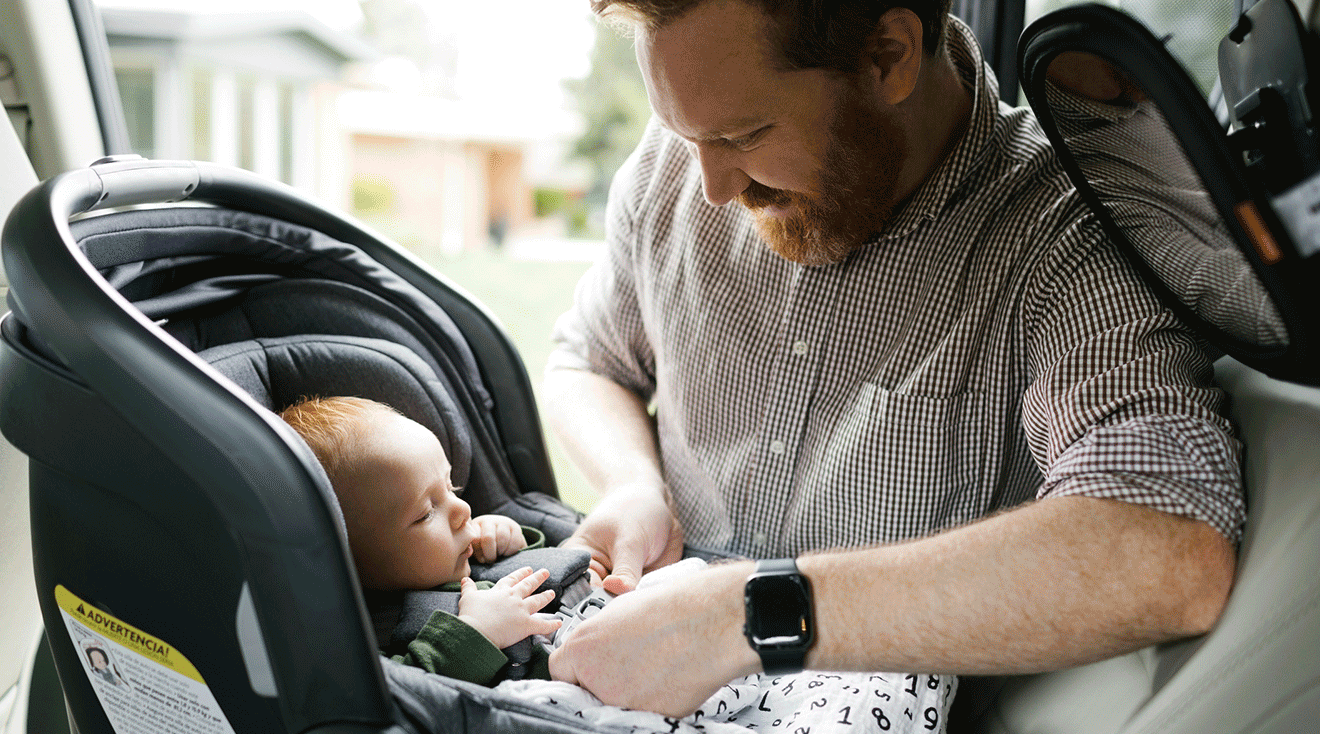
Credit: www.thebump.com
Travel Tips For Long Trips
Long car rides with a baby can be challenging, especially when considering how long your little one should stay in a car seat. The key is to balance safety with comfort while keeping the journey smooth for everyone. Here are some practical travel tips to help you manage long trips with your baby.
Planning Rest Stops
Regular breaks are essential. Aim to stop every 1.5 to 2 hours to give your baby a chance to stretch and get out of the car seat. This helps prevent discomfort and reduces the risk of positional issues from staying seated too long.
Use these stops to feed, change diapers, and let your baby move freely. Look for safe, shaded areas or rest stops with clean facilities. Have you noticed how a quick break can transform a cranky baby into a happy traveler?
Keeping Baby Comfortable
Comfort starts with the right car seat fit and positioning. Make sure the straps are snug but not too tight, and the seat reclines at a safe angle. Dress your baby in breathable layers to avoid overheating or getting too cold during the trip.
Bring familiar toys or a soft blanket to create a soothing environment. Playing gentle music or white noise can also help calm your baby. Have you tried adjusting the car temperature to find that perfect cozy spot for your little one?
Signs Of Car Seat Misuse
Knowing the signs of car seat misuse helps protect your baby’s safety. Car seats must be used correctly to provide the best protection. Misuse can lead to serious injuries during a crash. Watch for common errors that reduce the seat’s effectiveness. Spotting these signs early can prevent harm.
Incorrect Harnessing
A loose or twisted harness can fail in a crash. The straps should lie flat without twists or gaps. The harness must be snug against the baby’s chest. Check that the chest clip is at armpit level. If the harness is too loose, the baby can slip out. Too tight can cause discomfort and breathing issues.
Improper Installation
The car seat should not move more than one inch side to side. A poorly installed seat reduces crash protection. Check that the seat is securely attached using the seat belt or LATCH system. Avoid installing the seat at a steep angle unless it is a newborn. Read the car seat manual for proper installation steps. Incorrect installation is a common mistake many parents make.
Credit: www.todaysparent.com
Frequently Asked Questions
How Long Can A Baby Safely Stay In A Car Seat?
Babies should not stay in a car seat longer than 2 hours continuously. Prolonged sitting may cause breathing difficulties and discomfort. Always take breaks on long trips to remove the baby from the car seat and allow movement.
Why Is Limited Time In Car Seats Important For Babies?
Limited time prevents poor posture, breathing issues, and pressure on the baby’s spine. Extended use can increase the risk of flat head syndrome. Frequent breaks promote healthy development and reduce potential hazards associated with long car seat use.
What Signs Indicate A Baby Needs To Be Removed From The Car Seat?
Look for fussiness, difficulty breathing, or a change in skin color. If the baby appears uncomfortable or restless, remove them promptly. These signs may indicate distress caused by prolonged car seat use, requiring immediate attention.
Can Newborns Stay Longer In Car Seats Compared To Older Babies?
No, newborns are more fragile and should not exceed 1 to 2 hours in a car seat. Their neck muscles are weak, and extended sitting can impact breathing. Always monitor closely and avoid long continuous periods in the seat.
Conclusion
Babies should not stay in car seats for too long. Long periods can cause discomfort and health risks. Take breaks during long trips to let your baby stretch. Always follow safety guidelines from experts and manufacturers. Watch your baby closely for signs of fussiness or trouble breathing.
Keeping your baby safe is the top priority. Use the car seat only for travel, not for sleep at home. Remember, short rides and frequent stops keep your baby happy and healthy. Safety first, comfort next.