
Are you wondering when it’s safe for your child to sit up front in the car? You want to keep your little one safe, but you also want to make sure they’re comfortable and happy during the ride.
Knowing the right time to let your kids sit in the front seat isn’t just about convenience—it’s about protecting them from serious injury. You’ll discover the key rules and expert advice that will help you make the best decision for your family’s safety.
Keep reading to find out exactly when your child can safely join you up front.
Age Requirements For Front Seat
Understanding the age requirements for kids to sit in the front seat is crucial for their safety and your peace of mind. These rules are designed to protect children from potential injuries caused by airbags and the position in the vehicle. Knowing the specific age limits can help you decide the right time to allow your child to sit up front without risking their safety.
Minimum Age Limits
Most safety experts recommend that children under the age of 13 should ride in the back seat. This is because airbags can deploy with great force, which might harm younger passengers. Many states set a minimum age limit between 8 and 13 years old for kids to sit in the front seat.
For example, some states require children to be at least 12 years old before they can legally sit in the front. Others set the age at 13 or even 14. It’s important to check your local laws since these limits are designed to match the safety features of your vehicle and child’s size.
State And Country Variations
Age requirements for front seat passengers vary widely depending on where you live. In the United States, each state can have its own rules about when kids can sit up front. Some states use strict age limits, while others focus more on the child’s height or weight.
Outside the U.S., countries have their own regulations too. For instance, in Canada, the general recommendation is that children under 13 stay in the back seat. Meanwhile, some European countries enforce height-based rules rather than strict age limits.
| Location | Typical Minimum Age | Additional Criteria |
|---|---|---|
| California, USA | 8 years | Or 4’9” tall |
| New York, USA | 8 years | Or 4’9” tall |
| Canada | 13 years | Seatbelt use required |
| United Kingdom | 12 years | Or 135 cm tall |
Have you checked your local laws before letting your child ride in the front seat? It’s an important step that many parents overlook, but it could make all the difference in safety.
Height And Weight Considerations
Height and weight play a crucial role in deciding when your child can safely sit in the front seat of a car. These factors ensure the seatbelt fits correctly and the airbags provide protection rather than harm. Ignoring these guidelines could put your child at serious risk during an accident.
Recommended Height For Front Seat
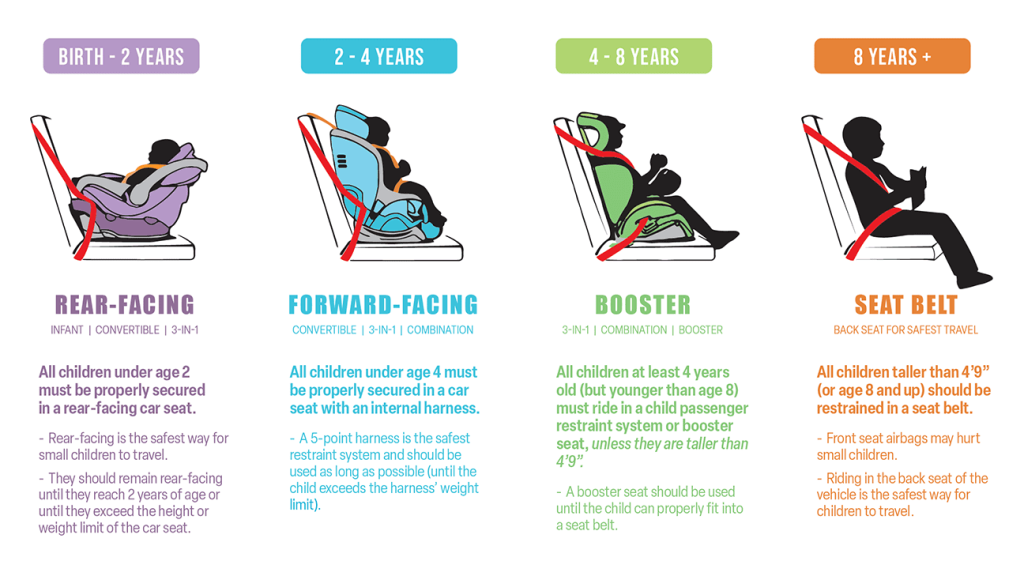
Most safety experts suggest that children should be at least 4 feet 9 inches (145 cm) tall before sitting up front. This height helps ensure the seatbelt lies properly across the chest and hips, not the neck or stomach. Have you noticed how a poorly fitting seatbelt can be uncomfortable or even painful? That’s a warning sign your child isn’t ready yet.
Many kids reach this height around 8 to 12 years old, but every child grows differently. It’s a good idea to measure your child rather than guess. Standing next to the car seat, check if the top of their shoulders are above the top of the seat back—if so, front seating might be possible.
Weight Guidelines And Seatbelt Fit
Weight is just as important as height because it affects how the seatbelt fits your child. Most guidelines recommend a minimum weight of 80 pounds (36 kg) before moving to the front seat. This weight helps ensure the seatbelt will hold your child securely in place during sudden stops.
A seatbelt should fit snugly across the upper thighs and shoulder, never cutting across the neck or stomach. If you see the belt riding up on the neck, your child should stay in the back. Have you ever tried adjusting a seatbelt that just won’t fit right? That’s your clue to wait longer before letting your child sit up front.
Car Seat And Booster Seat Rules
Understanding the rules around car seats and booster seats is crucial for your child’s safety. These rules are designed to protect kids at different stages of growth and ensure they are properly secured during every ride. Knowing when and how to transition between seats can help you avoid common mistakes that put children at risk.
Transitioning From Car Seats To Booster Seats
Kids should stay in a car seat with a harness until they reach the height or weight limit set by the manufacturer. This usually means your child will remain in a car seat until about 4 years old or 40 pounds, but check your specific seat’s guidelines.
Once your child outgrows the car seat, it’s time to move to a booster seat. Booster seats help position the seatbelt correctly across your child’s chest and lap, which is vital for safety. Have you checked if your child’s knees bend comfortably at the edge of the booster seat? That’s a good sign they’re ready.
Using Booster Seats In The Front
Many parents wonder if their child can sit in the front seat while using a booster. The safest place for kids under 13 is the back seat, but laws and recommendations vary by state and country.
If your child must ride in the front seat, make sure the airbag is turned off or that the booster seat is positioned as far back as possible. Airbags can cause serious injuries to children if deployed too close.
Always check local laws before allowing your child to sit in the front with a booster seat. Are you aware of the specific rules where you live? Taking a few minutes to review these can prevent fines and, more importantly, keep your child safe.

Credit: www.star-telegram.com
Airbag Safety Concerns
Airbag safety is a critical factor when deciding if your child can sit in the front seat of a car. While airbags save lives in many crash scenarios, they can pose serious dangers to children due to their size and force. Understanding these risks helps you make safer choices for your family.
Risks Of Front Airbags For Children
Front airbags deploy with great force, designed to protect adults. For children, especially those under 13, this force can cause severe injuries or even be fatal. Their smaller bodies and developing bones cannot withstand the impact the same way adults can.
Many injuries happen when children sit too close to the dashboard or are not properly restrained. Even if the child is wearing a seatbelt, the airbag can cause head, neck, or chest injuries. Have you ever considered how a safety device might actually increase risk in certain situations?
Disabling Airbags When Necessary
In some vehicles, you can disable the front passenger airbag, which might be necessary if a child must sit in the front seat. This option is often found in cars with a switch or sensor to turn off the airbag when a child seat is detected.
Before you disable the airbag, check your vehicle’s manual and follow all manufacturer instructions carefully. Keep in mind, disabling airbags should be a last resort, and the safest place for children under 13 is usually the back seat.
Have you checked if your car allows airbag deactivation? Knowing this could help you protect your child when the front seat is unavoidable.
Best Practices For Front Seat Safety
Ensuring front seat safety for kids is crucial. Children under 13 should sit in the back for maximum protection. Airbags can be harmful to young passengers, making rear seating safer. Always use appropriate car seats or boosters based on the child’s size and weight for added safety.
Ensuring your child’s safety in the car is crucial. When kids are ready to sit in the front seat, safety becomes a top priority. Follow best practices to enhance their protection. This section provides guidance on key aspects of front seat safety.Proper Seatbelt Positioning
Ensure the seatbelt fits snugly across the child’s shoulder. It should not rest on the neck or face. The lap belt must lie flat on the upper thighs. Avoid positioning it over the stomach. This helps in distributing force during sudden stops or impacts.Adjusting Seat And Mirrors
Position the seat as far back as possible. This reduces the impact of airbags. Adjust the mirrors for a clear view of the road. This helps in anticipating any sudden movements. Proper adjustments provide better control and visibility.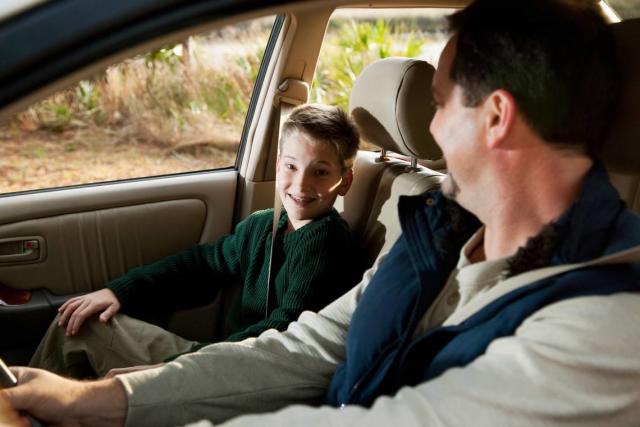
Credit: www.belanovaindustries.com
Legal Implications And Penalties
Understanding the legal implications and penalties of allowing kids to sit up front in a car is crucial for every parent and driver. Laws are designed to protect children and ensure their safety on the road. Ignoring these rules can lead to serious consequences that affect both your wallet and your insurance coverage.
Fines And Violations
Allowing a child to sit in the front seat before they meet the legal age or size requirements can result in hefty fines. These fines vary by state but often range from $50 to over $500. Additionally, you might receive points on your driving record, which could escalate penalties if repeated.
Think about this: a simple mistake like letting your child sit up front could lead to a ticket and unexpected expenses. Is it worth risking your safety and your finances for convenience?
Impact On Insurance
Insurance companies pay close attention to violations related to child passenger safety. A ticket for improper seating can increase your premiums significantly. Some insurers may even refuse to cover damages if they find you ignored child safety laws.
Imagine facing higher insurance bills or denied claims after an accident simply because your child was not seated according to the law. Protecting your family means following these rules carefully.
Tips For Educating Kids About Car Safety
Teaching kids about car safety helps keep them secure during every ride. Clear and simple lessons make safety habits stick. Start early to build good habits that last a lifetime. Focus on key rules they can easily understand and follow.
Teaching Seatbelt Importance
Explain that seatbelts protect from serious injuries. Tell kids seatbelts keep them safe in sudden stops. Use simple words and examples they relate to. Show how to wear a seatbelt properly every time. Praise them for buckling up without reminders.
Make seatbelt use a non-negotiable rule in the car. Practice together until it becomes natural. Share stories or videos about how seatbelts save lives. Reinforce that seatbelts are for everyone, no exceptions.
Modeling Safe Behavior
Kids learn best by watching adults. Always wear your seatbelt to set the right example. Follow traffic rules and stay calm while driving. Talk about safety rules during rides. Show respect for all passengers’ safety.
Use calm reminders if kids forget safety steps. Keep a positive tone to encourage good habits. Make safety part of your daily routine. Consistency helps kids understand the importance of rules.
Credit: www.thebump.com
Frequently Asked Questions
When Is It Safe For Kids To Sit In The Front Seat?
Kids can sit in the front seat when they are at least 13 years old. This age ensures better safety and proper airbag protection. Always check local laws and car manufacturer guidelines before allowing a child to sit upfront.
What Are The Legal Age Requirements For Front Seat Kids?
Most states require children to be 13 or older to sit in the front seat. Laws vary, so verify your area’s specific rules. Following these laws helps keep children safe and compliant with traffic regulations.
Why Is 13 The Recommended Age For Front Seat Seating?
At 13, kids have better physical development to handle front seat airbags safely. Younger children face higher injury risks from airbags and seatbelt fit issues. Waiting until this age improves overall safety during car rides.
Can Smaller Kids Sit In The Front With Proper Restraints?
No, smaller kids should stay in the back with appropriate car seats or boosters. Proper restraints are designed for rear seating to maximize protection. Front seat airbags and seat belts may not fit them correctly.
Conclusion
Kids should sit in the front seat only when they are old and tall enough. Rules and laws help keep children safe in cars. Always check your local laws before letting a child sit up front. Proper car seats and seat belts protect kids during travel.
Safety comes first, no matter how short the trip is. Parents must make smart choices to avoid risks on the road. Remember, waiting longer to move kids forward can save lives. Safety is simple but very important for every family.