
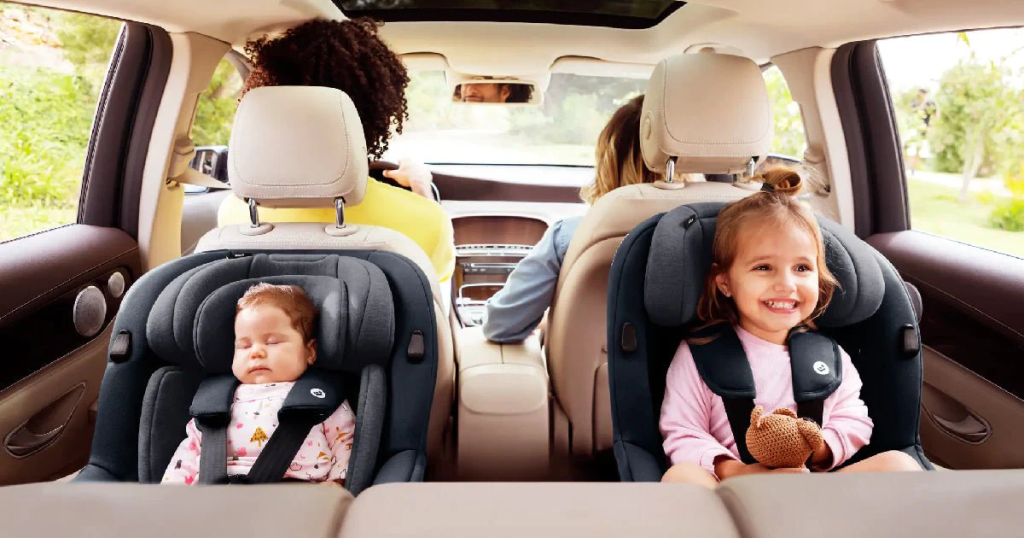
Are you wondering when it’s safe to turn your baby’s car seat to face forward? You want to keep your little one safe, but the rules can feel confusing.
Knowing the right age and signs to make this switch can protect your child and give you peace of mind every time you hit the road. You’ll discover exactly when and why to turn your baby’s car seat forward, so you can make the best choice for your family’s safety.
Keep reading to find out what every parent needs to know.

Credit: www.thule.com
When To Switch To Forward Facing
Deciding when to switch a baby car seat to face forward is important for safety. Many parents wonder about the right time to make this change. The timing depends on several factors like age, weight, height, and developmental signs. Understanding these helps keep your child safe during every ride.
Recommended Age Guidelines
Experts suggest keeping your child rear-facing as long as possible. Most recommend switching to forward facing after the child turns 2 years old. Some safety groups advise waiting until 2 to 4 years for better protection. Always check your car seat manual for specific age advice.
Weight And Height Limits
Each car seat has limits for weight and height. Rear-facing seats usually support children up to 40 pounds or more. Once your child outgrows these limits, it’s time to switch. Check the labels on your car seat to find these numbers. Make sure your child fits well and safely in the seat.
Signs Your Child Is Ready
- Your child’s head reaches the top or side of the car seat.
- Your child cannot comfortably keep the harness straps snug.
- Your child wants more space to move their legs.
- Your child shows interest in sitting forward or looks uncomfortable rear-facing.
Watching these signs helps you decide the best time to switch. Safety comes first, so never rush this change.
Benefits Of Rear-facing Seats
Choosing the right orientation for your baby’s car seat can feel overwhelming. Yet, keeping your baby rear-facing for as long as possible offers clear benefits. It’s more than just a rule—it’s about maximizing your child’s safety during every ride.
Safety Advantages
Rear-facing seats support your baby’s head, neck, and spine better than forward-facing ones. Babies have fragile neck muscles, and rear-facing seats distribute crash forces across the entire body.
This setup greatly reduces the risk of serious injury. Have you noticed how your little one’s head flops forward when they fall asleep? Imagine how vulnerable that is in a sudden stop or collision.
Crash Protection
In a crash, a rear-facing seat cradles your child, absorbing impact energy efficiently. It acts like a protective shell, preventing the head from snapping forward or sideways.
Studies show that children in rear-facing seats have a much lower chance of injury. It’s not just about protection—it’s about giving your baby the best chance to walk away unharmed.
Expert Recommendations
Leading safety organizations, including the American Academy of Pediatrics, advise keeping children rear-facing until at least age 2. Many recommend longer if the car seat allows.
Experts base this on data and real-world crash outcomes, not just guidelines. Have you checked your car seat’s weight and height limits lately? Staying rear-facing within those limits ensures you follow the safest advice.
Risks Of Early Forward Facing
Shifting your baby’s car seat to face forward too soon can lead to serious risks. Many parents feel ready to make the switch once their child hits a certain age or weight, but safety guidelines exist for a reason. Understanding the dangers helps you protect your little one on every car ride.
Potential Injuries
Babies have softer bones and weaker neck muscles. Facing forward too early increases the chance of neck and spinal injuries during sudden stops or crashes.
In a forward-facing position, the force of impact pushes the child’s head forward, which can strain delicate muscles and ligaments. Rear-facing seats better distribute this force across the back, which is safer for young children.
Common Mistakes
Many parents switch to forward-facing seats as soon as their child reaches the minimum weight or age limit on the car seat label. However, these are just minimums, not recommendations.
Another error is not properly securing the harness or failing to use the top tether, which can increase injury risk. Double-checking installation and harness fit every time is crucial.
Statistical Data
| Age Group | Risk of Injury in Forward-Facing Seat | Risk of Injury in Rear-Facing Seat |
|---|---|---|
| Under 2 years | 5 times higher | Lower |
| 2-4 years | 3 times higher | Lower |
Studies show toddlers under 2 are up to five times more likely to suffer serious injuries in a forward-facing seat compared to rear-facing. This data highlights why experts recommend keeping children rear-facing as long as possible.
Have you double-checked your car seat’s positioning today? Small adjustments can make a huge difference in safety.

Credit: incarsafetycentre.co.uk
Choosing The Right Car Seat
Choosing the right car seat is crucial for your baby’s safety and comfort. It ensures proper support as your child grows. A well-fitted seat reduces injury risks during travel. Parents need to consider various factors before switching to a forward-facing seat.
Understanding the types, features, and certifications helps make an informed choice. Each car seat offers different benefits suited for specific ages and weights. Selecting the proper seat aligns with safety guidelines and legal requirements.
Types Of Forward-facing Seats
- Convertible Seats: Use rear-facing first, then turn forward-facing as the child grows.
- Combination Seats: Start as forward-facing harness seats, then convert to boosters.
- Forward-Facing Harness Seats: Designed specifically for toddlers and young children.
- Booster Seats: For older kids who have outgrown harness seats but still need a seatbelt booster.
Features To Look For
- Five-Point Harness: Offers secure restraint and prevents excessive movement.
- Adjustable Headrest: Grows with your child for better support and comfort.
- Side Impact Protection: Provides extra safety in case of a side collision.
- Easy Installation: Clear instructions and compatibility with your vehicle.
- Recline Options: Allows a comfortable seating angle for your child.
Certification And Standards
- Check for labels showing compliance with safety standards like FMVSS 213 or ECE R44/04.
- Ensure the seat passes crash tests and meets government regulations.
- Look for certifications from trusted safety organizations.
- Avoid seats without clear certification marks.
Proper Installation Tips
Ensure the car seat faces forward only after your child is at least two years old. Follow the manufacturer’s guidelines for installation. Secure the seat belt tightly to keep it in place.
Properly installing a baby car seat is crucial for your child’s safety. Many parents struggle with car seat installation. This guide will help you install the seat correctly. Follow these tips to ensure a secure and safe fit.Securing The Seat Correctly
Make sure the seat is tightly secured in the vehicle. Push down on the seat with your weight. Tighten the seatbelt or latch strap until the seat doesn’t move. It should not move more than an inch in any direction. Double-check the seat’s angle. Most car seats have a built-in level indicator.Harness Adjustment
Adjust the harness to fit snugly against your child’s body. The harness should sit at or below your child’s shoulders. There should be no slack in the harness straps. Use the pinch test to check. Try to pinch the strap at the shoulder. If you can pinch any material, it’s too loose.Using Lower Anchors And Tethers
Lower anchors and tethers provide additional security. Locate the lower anchors in your vehicle. They are usually in the seat creases. Attach the car seat’s lower anchors to these points. Ensure they are tight. Use the top tether for forward-facing seats. Attach the tether to the anchor point behind the seat. This prevents the seat from tipping forward. Always consult your vehicle’s manual for specific instructions.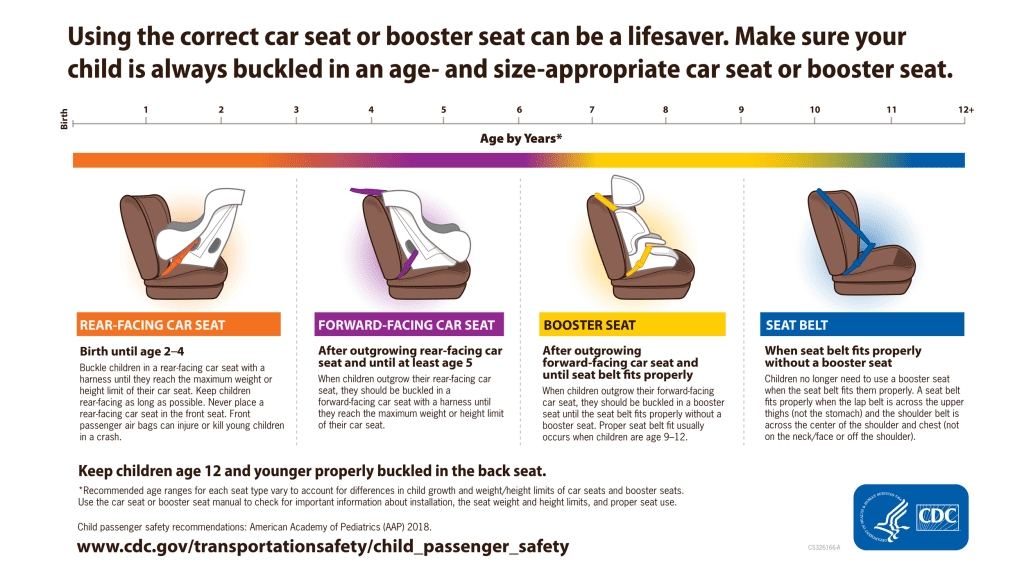
Credit: www.miocen.com
State Laws And Regulations
Understanding state laws and regulations about when a baby car seat can face forward is crucial for your child’s safety. These rules vary widely and reflect the best practices recommended by safety experts. Knowing the legal landscape helps you avoid fines and, more importantly, keeps your little one protected during every ride.
Variations By Region
Each state or region sets its own rules about the minimum age or weight for turning a car seat forward. Some states require children to stay rear-facing until at least 2 years old, while others allow forward-facing at younger ages if the child meets certain height or weight criteria.
For example, in California, children must ride rear-facing until they are 2 years old, but in Texas, the rule is less strict and focuses more on the child’s weight and height. This means where you live will directly impact when you can safely switch your car seat’s orientation.
Legal Requirements
Most states base their laws on guidelines from the American Academy of Pediatrics and the National Highway Traffic Safety Administration. These requirements often include:
- Minimum age (often around 2 years old)
- Minimum weight (usually 20-22 pounds)
- Minimum height standards
Failing to meet these legal requirements means your child might not be adequately protected in a crash. Checking your state’s specific car seat laws before making the switch is essential.
Penalties For Non-compliance
Ignoring car seat laws can lead to fines, points on your driver’s license, or even court appearances. But the real penalty is risking your child’s safety. Car accidents are a leading cause of injury for children, and using the wrong car seat orientation increases that risk.
Have you checked your state’s rules lately? Staying informed can save you money and, more importantly, protect your child every time you drive.
Common Questions From Parents
Many parents wonder about the right time to turn a baby car seat forward. Safety rules and comfort guide this choice. Questions often arise about timing, the child’s reaction, and travel needs. Understanding these concerns helps parents make safer decisions for their little ones.
Transition Timing
Experts suggest keeping the car seat rear-facing as long as possible. Most recommend waiting until the baby is at least 2 years old. The child should also reach the car seat’s height or weight limit. Rear-facing seats protect the head, neck, and spine better in crashes.
Parents often ask if it is safe to switch earlier. The answer depends on the child’s size and the car seat model. Always follow the car seat manufacturer’s instructions and local laws.
Handling Resistance
Some toddlers resist sitting rear-facing. They may want to see outside or face parents. This can make car rides stressful for parents and children alike. Patience and distraction help. Soft toys or music can calm a restless child.
Explain to your toddler why the seat faces backward. Use simple words like “safe” and “strong.” Consistency helps children adjust to new routines.
Travel Considerations
Long trips require extra care. Frequent stops allow the child to move and stretch safely. Bring snacks and toys to keep them busy. Check the car seat’s position regularly during the trip.
In taxis or rideshares, confirm the vehicle supports rear-facing seats. Some models may not fit well in smaller cars. Safety always comes first, even if it means waiting longer to switch.
Frequently Asked Questions
When Can A Baby Car Seat Face Forward?
A baby car seat can face forward once your child is at least 2 years old. They must meet the seat’s height and weight limits. Rear-facing is safest until then, as it better protects the head and neck during a crash.
Why Keep A Car Seat Rear-facing Longer?
Rear-facing seats provide better support for a baby’s head, neck, and spine. They reduce injury risk in collisions. Experts recommend keeping children rear-facing until they outgrow the seat’s height or weight limits, usually past age 2.
How To Know If Baby Is Ready To Face Forward?
Check your car seat’s manual for weight and height limits. Your child should meet these requirements and be at least 2 years old. Also, ensure they can sit upright comfortably with the seat belt properly secured.
Is It Legal To Turn Car Seat Forward Before 2?
Most regions require children to remain rear-facing until age 2 or until they reach seat limits. Laws vary, so check local regulations. Following manufacturer and safety guidelines is crucial to keep your child safe.
Conclusion
Babies should stay rear-facing until they reach age two or the car seat’s weight limit. This position offers the best protection for their head and neck. Turning the seat forward too early can increase injury risk. Always check your car seat manual and local laws before changing direction.
Safety matters most. Keep your child secure and comfortable during every trip. Trust the guidelines to help you make the right choice. Your baby’s safety is worth every careful step you take.