
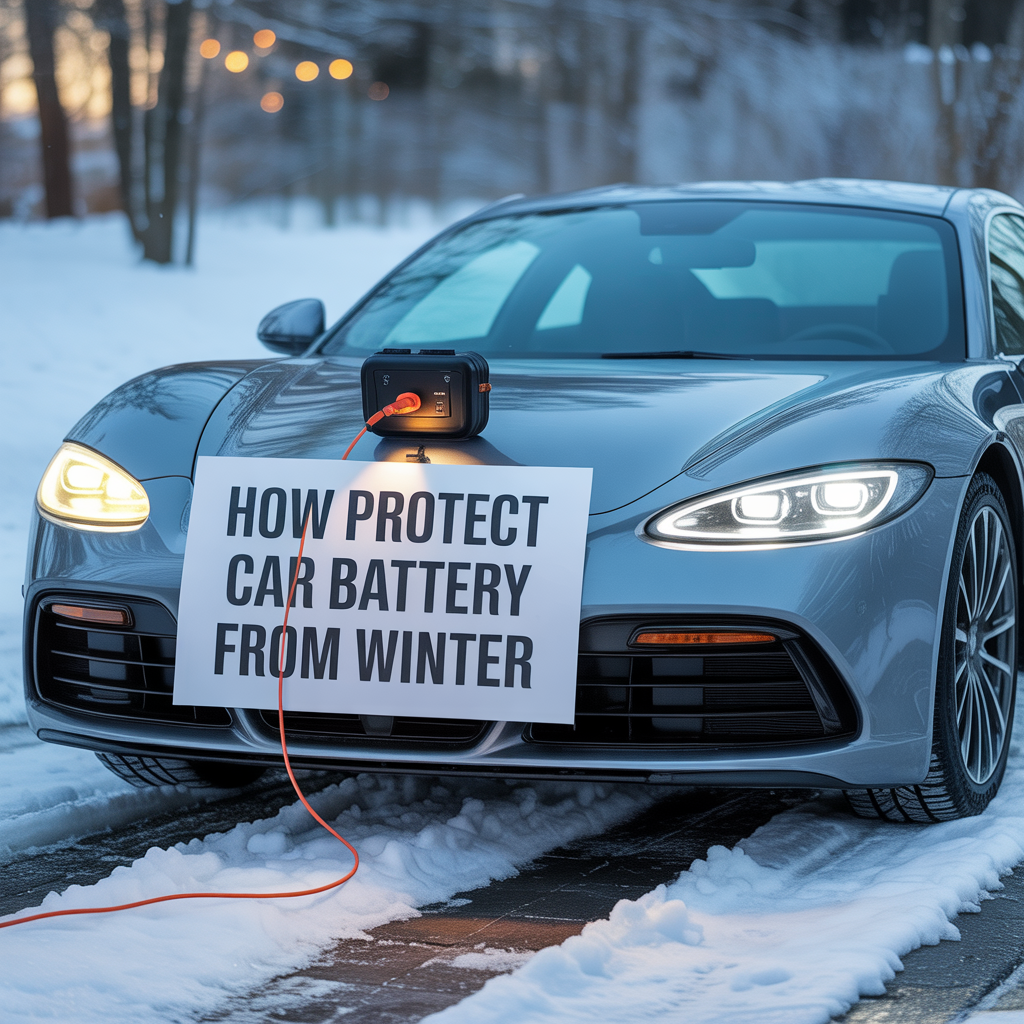
Winter is here, and with it comes the chill that can wreak havoc on your car battery. You know that feeling when you turn the key, hoping your car will start, only to hear the dreaded click of a battery that’s given up?
It’s frustrating, time-consuming, and can leave you stranded in the cold. But don’t worry; there’s hope! By understanding how winter affects your car battery and taking a few proactive steps, you can keep your vehicle running smoothly all season long.
Imagine the peace of mind that comes with knowing you won’t be left in the cold. Let’s dive into simple strategies that will ensure your car battery not only survives but thrives in the coldest months. Stay with us, because a little knowledge can save you a lot of trouble.
Battery Maintenance Basics
Winter can be tough on car batteries. Cold temperatures often drain them faster. Regular maintenance can help avoid unexpected breakdowns. Keep your battery in top shape with these essential tips.
Importance Of Regular Checks
Check your battery’s health often. Look for signs of wear and tear. A weak battery may struggle in cold weather. Test its charge with a multimeter. Ensure voltage is within the recommended range. Low voltage may indicate a failing battery. Regular checks prevent surprises.
Cleaning Terminals
Dirty terminals can affect battery performance. Corrosion builds up over time. It can block the flow of electricity. Use a wire brush to clean terminals. Mix baking soda with water for stubborn grime. Rinse off with clean water. Dry thoroughly to prevent moisture buildup. Clean terminals ensure better conductivity.
Cold Weather Impact
Winter can be harsh on car batteries. Cold temperatures reduce battery efficiency. This often leads to starting problems. Understanding how cold weather affects your battery is crucial. It helps in taking preventive measures.
Effects On Battery Life
Cold weather slows down chemical reactions in batteries. This results in lower power output. A battery’s capacity can drop significantly in low temperatures. It might discharge faster, causing inconvenience. Proper maintenance can mitigate these effects.
Signs Of Weak Battery
Recognizing a weak battery is essential. Slow engine crank is a common sign. Flickering dashboard lights indicate battery issues. Dimming headlights suggest reduced battery strength. Regular checks can help identify problems early.
Preventive Measures
Winter can be harsh on car batteries. Cold weather reduces battery performance. Preventive measures ensure your battery survives winter. Protect your battery with simple steps. These actions extend battery life and improve reliability.
Insulating Battery
Insulating your car battery helps maintain warmth. Use battery insulation blankets. They wrap around the battery to provide heat retention. Blankets keep the battery warm in freezing temperatures. Warm batteries perform better and last longer. Insulation also reduces energy drain.
Choose a high-quality insulation blanket. Ensure it fits your battery size correctly. Check compatibility with your vehicle model. Installation is straightforward. Most blankets come with clear instructions. Regularly inspect the blanket for damage. Replace if worn or torn.
Using A Battery Charger
A battery charger maintains optimal battery charge. Cold weather drains battery power quickly. Chargers replenish energy and prevent complete discharge. They are easy to use and affordable. Connect the charger to the battery terminals.
Choose a charger with automatic shut-off. This feature prevents overcharging. Overcharging can damage the battery. Select a charger compatible with your battery type. Follow manufacturer instructions carefully. Regular charging prevents winter battery failure.
Store your charger in a dry, safe place. Ensure it’s easily accessible for frequent use. Clean battery terminals before connecting the charger. This ensures efficient energy transfer. Chargers are vital for winter battery care.
Storage Tips
Winter can be harsh on car batteries. Proper storage is crucial to extend their life. This guide will help you keep your battery safe during winter months. Follow these simple storage tips to ensure your battery stays in top shape.
Choosing The Right Location
Pick a dry and cool place for storing your battery. Avoid places with extreme temperature changes. Keep it away from direct sunlight. This helps maintain its charge. A garage or a basement can be ideal.
Ensure the area is clean and free from dust. Dust can affect the battery’s terminals. Clean surroundings prevent corrosion and damage. This keeps your battery healthy.
Disconnecting And Storing Safely
Disconnect the battery from the car before storage. This prevents unnecessary power drain. Use a wrench to loosen the cable clamps. Take care not to touch both terminals simultaneously. Safety is important.
Place the battery on a wooden surface. Avoid metal surfaces, as they can cause discharge. Store the battery upright. This ensures no leakage occurs.
Cover the battery with a cloth or a battery cover. This protects it from dust and moisture. Regularly check its charge level during storage. Recharging might be necessary to maintain its health.
Driving Habits
Cold weather can drain your car battery quickly. Park your car in a garage to shield it from freezing temperatures. Regularly check the battery’s health and clean any corrosion to ensure optimal performance during winter.
The way you drive can significantly impact your car battery’s performance during winter. Cold weather can be harsh on batteries, but your driving habits can help mitigate some of the damage. Whether you’re taking short trips or long drives, understanding how each affects your battery can lead to smarter choices and a more reliable car. Let’s explore how frequent short trips and long drives can influence your battery’s health.
Frequent Short Trips
Short trips can be surprisingly taxing on your car battery. Starting the engine uses a lot of power, and if you’re only driving a few miles, the alternator doesn’t have enough time to recharge the battery fully. Imagine you’re just running quick errands—your battery might be losing more power than it gains. Winter makes this situation worse. The cold weather slows down the chemical reactions inside the battery, reducing its efficiency. Consider combining errands into a single trip. This gives your battery more time to recharge. You might not think twice about stopping at multiple places in one day. Yet, if those stops are too brief, your battery might not get the boost it needs. Can you plan your day differently?
Long Drives Benefits
On the flip side, long drives can be beneficial. They allow the alternator to fully recharge the battery, keeping it healthy and preventing unexpected issues. Imagine taking a scenic drive on a crisp winter day. Not only are you enjoying the view, but you’re also giving your battery a chance to recover and thrive. Longer drives ensure that the battery is well-maintained and ready for the next cold snap. You could even turn a necessary long drive into a mini-adventure. How about exploring a new route or visiting a place you’ve never been? It’s a win for your battery and your spirit. In conclusion, consider the impact of your driving habits on your car battery this winter. By adjusting the frequency and length of your trips, you can protect your battery from the cold. Would your battery thank you for taking the long way home?
Emergency Preparedness
Winter can be tough on car batteries. Cold temperatures drain them quickly. Being prepared for emergencies can save you a lot of trouble. Knowing what to do if your battery fails is crucial. Carrying the right tools helps too. This guide will walk you through essential steps. Stay ready and keep your car running smoothly.
Jumpstart Techniques
Jumpstarting a car is often the first solution. It’s simple if you know how. First, locate the battery terminals. They are usually marked with plus and minus signs. Connect the positive cable to the dead battery. Then attach the other end to the positive terminal of a working battery. Next, connect the negative cable to the working battery. Finally, attach the other end to a metal surface on the car with the dead battery. Start the working car and let it run. This should charge the dead battery.
Essential Tools To Keep
Having the right tools is key. Always keep a set of jumper cables in your trunk. They are necessary for jumpstarting. A portable battery charger is also useful. It can charge your battery without another car. Consider keeping a battery tester too. It helps check your battery’s health. Having these tools on hand makes you ready for winter challenges.
Frequently Asked Questions
How Do I Protect My Car Battery In Cold Weather?
Store your car in a garage to shield the battery from cold. Regularly check battery charge levels. Clean battery terminals to prevent corrosion. Limit electronic usage when starting the car. Use a battery warmer for extra protection.
How To Stop Your Car Battery From Dying In The Cold?
Keep your car battery warm using an insulation blanket. Regularly check its charge and clean terminals. Drive frequently to maintain battery health. Ensure all electrical components are off when the car is parked. Use a trickle charger for prolonged inactivity.
At What Temperature Will A Car Battery Freeze?
A fully charged car battery can freeze at around -76°F (-60°C). A discharged battery may freeze at 32°F (0°C). Keep batteries charged to prevent freezing in cold weather.
Can You Leave A Car Battery Outside In The Cold?
Car batteries can lose charge in cold weather. Store them indoors or use a battery warmer to maintain performance. Cold temperatures can cause damage and reduce lifespan. Keeping batteries warm ensures reliable vehicle starts and prolongs battery life.
Conclusion
Winter can be harsh on car batteries. Protecting them is essential. Regular checks help. Clean the battery terminals often. This prevents corrosion. Park in a garage if possible. It shields from cold winds. Use a battery blanket for extra warmth.
Drive your car regularly. It keeps the battery charged. Avoid short trips. They drain the battery more. Investing in a good battery charger is wise. This ensures consistent power. Simple steps can save you from winter troubles. Protect your car battery and enjoy a smooth drive all season.
Stay prepared and keep your car ready.