

You’ve invested time and money to get your car ceramic coated, and now you want to keep it looking flawless. But here’s the question: can you wax a ceramic coated car without damaging that protective layer?
If you’ve ever wondered whether adding wax helps or hurts your car’s shine, you’re in the right place. This article will clear up the confusion and give you simple, clear advice so you can protect your car’s finish the right way.
Keep reading to find out what really works for your ceramic coated ride.
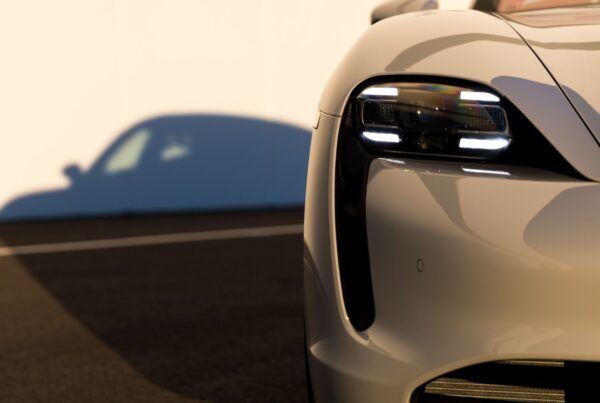
Credit: ceramicpro.com
Ceramic Coating Basics
Ceramic coating has become a popular choice for car owners seeking long-lasting paint protection. It forms a strong layer over the car’s surface, shielding it from damage. Understanding its basics helps to know how it works and why it matters.
What Ceramic Coating Does
Ceramic coating creates a hard, protective shell on the car’s paint. It repels water, dirt, and chemicals. This coating prevents minor scratches and reduces fading from sunlight. It also makes cleaning the car easier and faster.
Benefits Over Traditional Paint Protection
- Lasts much longer than wax or sealants
- Offers stronger resistance to stains and scratches
- Enhances the car’s shine with a glossy finish
- Requires less frequent maintenance
- Protects better against UV damage
Waxing And Ceramic Coating
Ceramic coating provides a strong, protective layer on your car’s paint, known for its durability and resistance to dirt and water. But can you still wax a ceramic coated car? Understanding how waxing interacts with ceramic coating helps you decide if it’s worth adding to your car care routine.
Is Waxing Necessary?
Waxing isn’t strictly necessary once your car has a ceramic coating. The coating itself offers excellent protection against UV rays, dirt, and minor scratches, reducing the need for traditional wax.
However, some car owners choose to wax over ceramic coating to enhance shine or add an extra layer of protection. Think about what you want from your car’s finish: Are you aiming for maximum gloss or just solid protection? Your answer will guide whether waxing makes sense for you.
Types Of Wax Compatible With Ceramic Coating
Not all waxes play nicely with ceramic coatings. Using incompatible products can reduce the coating’s effectiveness or cause streaking.
- Carnauba Wax:Known for a deep, warm shine, carnauba wax can be applied sparingly over ceramic coatings to boost gloss.
- Synthetic Wax (Sealants):These are more durable and tend to bond better with ceramic coatings, offering extended protection.
- SiO2 Boosters:Some products are designed specifically to enhance ceramic coatings, adding hydrophobic properties without harming the layer.
Before applying any wax, test a small area to ensure it doesn’t affect the coating. What’s your experience with waxes on ceramic coatings? Sharing your results can help others make smarter choices.
When To Wax A Ceramic Coated Car
Knowing when to wax a ceramic coated car is key to maintaining its shine and protection. While ceramic coatings offer a strong shield against dirt and minor scratches, waxing can add an extra layer of gloss and protection. But how do you know the right time to wax without overdoing it or wasting effort?
Signs Your Coating Needs Wax
Keep an eye on the water behavior on your car’s surface. If water no longer beads up and instead forms flat sheets or spots, it might be time to wax. This loss of hydrophobic effect signals that the coating’s surface could use a boost.
Look for a dull or less glossy finish compared to when the coating was freshly applied. Waxing can restore that deep shine that makes your car stand out. Also, if you notice contaminants sticking more stubbornly after washing, adding wax can help create a smoother barrier.
Frequency Recommendations
How often you wax depends on your driving environment and the quality of your ceramic coating. Most enthusiasts find waxing every 3 to 6 months strikes a good balance between protection and maintenance. Harsh climates or frequent exposure to road salts may require more frequent waxing.
Remember, waxing too often can build up residue and even interfere with the coating. Less is more when you’re dealing with a ceramic-coated surface. Try to schedule waxing sessions based on the signs your car shows, not just a calendar date.
How To Wax A Ceramic Coated Car
Waxing a ceramic coated car can enhance its shine and add extra protection. The process requires care to avoid harming the coating. Follow simple steps to keep the surface smooth and glossy.
Preparing The Surface
Start with a clean car. Wash it gently using a pH-neutral shampoo. Avoid harsh soaps that can damage the coating. Dry the car with a soft microfiber towel. Check for dirt or spots. Remove any stubborn grime with a clay bar. This step ensures the wax sticks well.
Applying Wax Safely
Choose a wax made for ceramic coated cars or a light sealant. Avoid abrasive or heavy waxes. Apply a thin layer using a soft foam applicator. Work in small sections under the shade. Let the wax haze before wiping it off. Use a clean microfiber cloth to buff gently. This prevents scratching the coating.
Tools And Products To Use
- pH-neutral car shampoo
- Soft microfiber towels
- Clay bar for surface preparation
- Foam applicator pads
- Wax or sealant designed for ceramic coatings
- Spray detailer for quick touch-ups
Using the right tools protects the ceramic coating. It keeps the car looking new for longer.
Common Mistakes To Avoid
Waxing a ceramic coated car can damage the coating. Avoid using abrasive products or harsh chemicals. Always choose waxes specifically designed for ceramic coatings to maintain the car’s finish.
In the quest to maintain your car’s pristine shine, ceramic coatings have become a popular choice for many car enthusiasts. However, when it comes to waxing a ceramic coated car, you need to tread carefully to avoid common mistakes. These errors can undermine the coating’s effectiveness and even harm your vehicle’s finish. Let’s dive into the pitfalls to avoid to keep your car looking its best.Using Harsh Chemicals
One common mistake is using harsh chemicals that can damage the ceramic coating. These chemicals can strip away the protective layer, rendering your investment in the coating useless. Always opt for products that are labeled as safe for ceramic coatings. Read the labels carefully before purchasing any cleaning product. A friend of mine learned this the hard way when a seemingly harmless cleaner dulled his car’s finish. He regretted not taking a few extra minutes to verify the product’s compatibility.Over-waxing Risks
Another mistake is over-waxing, which might seem counterintuitive. You might think more wax equals more protection, but that’s not the case with ceramic coatings. Over-waxing can lead to buildup and even cause the coating to lose its hydrophobic properties. Consider whether waxing is truly necessary for your ceramic coated vehicle. A well-applied ceramic coating already provides substantial protection and shine. Ask yourself if adding wax is worth the risk of diminishing these benefits. Remember, the goal is to enhance, not complicate, your car care routine. Avoid these common pitfalls to preserve the beauty and protection of your ceramic coated car.
Credit: www.hypergloss-detailing.com
Maintaining Your Ceramic Coating
Maintaining your ceramic coating helps keep your car looking fresh and protected. A ceramic coating creates a strong, glossy layer on your paint. This layer repels dirt, water, and minor scratches. Proper care extends its lifespan and effectiveness. Simple maintenance routines make a big difference. Regular attention preserves the shine and protection.
Proper Washing Techniques
Wash your ceramic coated car gently to avoid damage. Use a pH-neutral car shampoo designed for coated surfaces. Avoid harsh detergents or household soaps. Use the two-bucket wash method: one bucket for soapy water, one for rinse water. This reduces the chance of scratching your car.
Use a soft microfiber wash mitt or sponge. Rinse thoroughly before washing to remove loose dirt. Dry the car with a clean, soft microfiber towel. Avoid automatic car washes with brushes, as they can harm the coating.
Additional Protective Measures
Waxing a ceramic coated car is usually unnecessary. The coating itself provides strong protection and shine. Some ceramic coatings allow for adding a layer of special sealant for extra gloss. Check the product guidelines before applying any extra products.
- Avoid abrasive polishes or compounds.
- Use quick detailers made for ceramic coatings to remove light dust.
- Park in shaded or covered areas to reduce UV exposure.
- Inspect the coating regularly for any signs of wear or damage.
Following these steps keeps your ceramic coating in top condition. Protect your investment and enjoy a glossy finish longer.
Expert Tips And Recommendations
Waxing a ceramic coated car can enhance its shine and protection, but it requires careful handling. Knowing the right approach can save you from damaging the coating or reducing its lifespan. Here are expert tips and recommendations to help you maintain your ceramic coated car effectively.
Professional Advice
Many professionals suggest waiting at least 30 days after applying the ceramic coating before waxing. This allows the coating to fully cure and bond with the paint. Applying wax too soon can interfere with this process and reduce the coating’s durability.
When you decide to wax, choose a wax that is safe for ceramic coatings. Avoid abrasive or harsh chemical waxes, as they can break down the coating layer. Instead, use gentle, non-abrasive waxes or sealants that add an extra layer of gloss without compromising protection.
Consider your car’s exposure to elements. If your vehicle faces harsh weather or frequent washing, waxing can provide additional defense. However, frequent waxing isn’t necessary; applying wax two to three times a year usually suffices to boost appearance.
Product Suggestions
- Carnauba Wax:Known for its deep shine, carnauba wax is a great choice if you want a natural look. It’s gentle and works well over ceramic coatings, but it may require more frequent application.
- Synthetic Sealants:These offer longer-lasting protection and can enhance hydrophobic properties. Look for products labeled as safe for ceramic coatings to avoid damage.
- SiO2 Boosters:These are designed to work with ceramic coatings by adding a fresh layer of silica. They can renew the coating’s slickness and water repellency between professional reapplications.
Have you ever tried waxing over a ceramic coating and noticed changes in the finish? Sharing your experience can help others understand what works best in real-world scenarios.

Credit: www.youtube.com
Frequently Asked Questions
Can You Wax A Ceramic Coated Car Safely?
Yes, you can wax a ceramic coated car safely. Wax adds an extra layer of shine and protection. Use a non-abrasive, high-quality wax to avoid damaging the ceramic coating. Always test on a small area before full application.
Does Waxing Improve Ceramic Coating Durability?
Waxing can enhance the gloss and provide temporary protection. However, it does not replace the durability of the ceramic coating. Regular maintenance and proper washing are more important for long-term durability than waxing alone.
How Often Should You Wax A Ceramic Coated Car?
Waxing a ceramic coated car is optional and depends on personal preference. If applied, do it every 3-6 months to maintain extra shine. Over-waxing is unnecessary and might interfere with the coating’s protective properties.
What Type Of Wax Is Best For Ceramic Coatings?
Use a non-abrasive, synthetic or carnauba wax designed for coated surfaces. Avoid abrasive or abrasive polishes as they can damage the ceramic layer. Always choose a wax that enhances gloss without compromising the coating.
Conclusion
Waxing a ceramic coated car can boost shine and protection. It helps keep dirt and water off the surface. Use gentle wax made for coated cars only. Avoid harsh chemicals that may damage the coating. Regular care keeps your car looking fresh and clean.
Simple steps make a big difference in maintenance. Your ceramic coat lasts longer with proper waxing. Enjoy a glossy finish without extra risks. A little effort goes a long way in car care.