
You want to keep your child safe every time they ride in the car. One big question many parents face is: When can kids switch to a forward-facing car seat?
Making this change at the right time is crucial for your child’s safety and comfort. If you’re unsure about the best moment to turn that seat around, this article will guide you step by step. Keep reading to learn the signs, rules, and expert tips that will help you make the safest choice for your little one.
Rear-facing Car Seat Basics
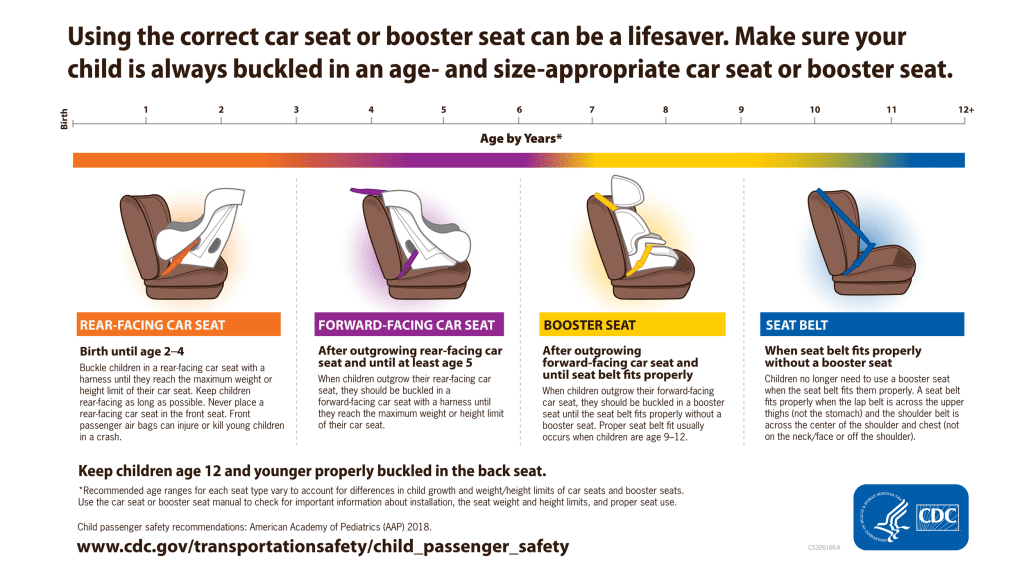
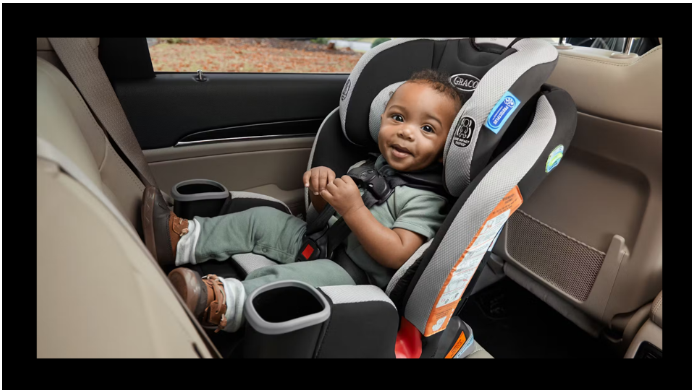
Rear-facing car seats are the safest option for young children during car rides. They support a child’s head, neck, and spine in a crash. This position helps spread the crash forces over a larger area of the body. Understanding when to switch from rear-facing to forward-facing is important for safety.
Why Rear-facing Is Safer
In a crash, a child’s body moves forward quickly. Rear-facing seats absorb the impact better. They protect the head, neck, and spine from injury. Children’s bones and muscles are still developing. Rear-facing seats reduce the risk of serious harm. Experts agree that this position offers the best protection.
Recommended Age And Weight Limits
Most safety groups advise keeping children rear-facing until at least age 2. Many seats allow children to stay rear-facing up to 40 pounds or more. Check your car seat’s manual for exact limits. Some children may be ready to turn forward only after reaching these limits. Always follow the manufacturer’s guidelines for safe use.
Credit: v2v-logistics.com
Signs To Switch To Forward-facing
Knowing the right time to switch your child to a forward-facing car seat is crucial for their safety. It’s not just about age; specific signs indicate your child is ready for this change. Paying close attention to these signs helps you make a confident and informed decision.
Meeting Height And Weight Requirements
Every car seat comes with height and weight limits set by the manufacturer. Your child should meet these minimums before you switch to a forward-facing seat.
Check the car seat manual carefully. For example, many rear-facing seats support children up to 40 pounds, but this varies.
If your child is close to the limit, measure their height and weight regularly. This ensures you don’t switch too soon or too late.
Child’s Neck And Head Control
Strong neck and head control is a key sign your child is ready to face forward. When seated, your child should be able to hold their head up steadily without support.
If your child frequently leans forward or their head flops to the side, it’s better to keep them rear-facing a bit longer.
Have you noticed your little one looking around confidently and holding their head up during the car ride? That’s a clear green light for forward-facing.
Types Of Forward-facing Car Seats
Choosing the right forward-facing car seat can feel overwhelming. But understanding the types available makes it easier to pick one that fits your child’s needs and your lifestyle. Two main types stand out for forward-facing use: convertible car seats and combination car seats.
Convertible Car Seats
Convertible car seats grow with your child. They start as rear-facing seats for infants, then switch to forward-facing as your child gets older.
These seats offer flexibility. You don’t have to buy a new seat when your child outgrows the rear-facing stage. Plus, many have adjustable harnesses and recline positions to keep your child comfortable and safe.
Think about how often you travel. If your child spends a lot of time in the car, a convertible seat’s comfort features can make a big difference. Have you checked how easy it is to switch between rear and forward-facing modes? That ease can save you time and hassle.
Combination Car Seats
Combination car seats focus on the forward-facing stage. They use a five-point harness to keep your child secure as they grow.
Once your child outgrows the harness, many of these seats convert into booster seats. This means they continue providing support until your child is ready for a regular seat belt.
Combination seats are great if you want a longer-lasting solution without buying multiple seats. Consider how long your child might need the harness before switching to a booster. Does your car have enough space for a bigger seat as your child grows? These are important questions to ask.
Credit: www.usafawol.com
Installation Tips For Forward-facing Seats
Installing a forward-facing car seat correctly keeps your child safe. It requires attention to detail and following specific guidelines. Proper installation reduces the risk of injury during a crash. Focus on using the right method and securing the seat firmly.
Using The Seat Belt Vs. Latch System
Two main methods secure forward-facing seats: seat belt and LATCH system. The seat belt is found in all vehicles. It works by threading through the car seat’s belt path and locking tightly. The LATCH system uses built-in anchors and connectors. It is designed to make installation easier and more secure.
Use only one method at a time unless your car seat and vehicle allow both. Check your car seat manual for specific instructions. The LATCH system usually has weight limits, so verify these limits before use. When using the seat belt, lock it properly to prevent movement.
Ensuring A Secure Fit
Ensure the car seat does not move more than one inch side to side or front to back. Tighten the belt or LATCH strap until the seat is snug. Push down firmly on the car seat while tightening. Check the angle of the seat to keep your child comfortable and safe.
Attach the top tether strap to the vehicle’s tether anchor. This reduces forward movement during a crash. Tighten the tether strap until it is secure without slack. Regularly inspect the installation and adjust if the seat becomes loose.
Harnessing And Safety Features
Car seat safety is essential for protecting children in vehicles. Understanding harnessing and safety features can ensure your child’s safety. Proper harness adjustment and impact protection features are crucial.
Proper Harness Adjustment
The harness must fit snugly against your child’s body. A loose harness can be dangerous. Make sure the harness is at or above the shoulders. Ensure the chest clip is at armpit level. Avoid thick clothing under the harness. Check the harness regularly for wear and tear.
Impact Protection Features
Impact protection features are vital in car seats. Look for side-impact protection. This helps shield the child’s head and neck. Energy-absorbing foam can reduce crash forces. Ensure the car seat has a sturdy frame. A strong frame provides better protection. Always choose a car seat with tested safety standards.

Credit: findforbaby.com
Common Mistakes To Avoid
Choosing the right time to forward face your child’s car seat is important. Many parents make mistakes that can risk their child’s safety. Knowing what to avoid helps keep your child secure and comfortable during car rides.
Premature Transition Risks
Switching to a forward-facing seat too early can harm your child. Rear-facing seats support the head, neck, and spine better. A forward-facing seat before the child is ready increases injury risk in crashes. Children should stay rear-facing until they reach the seat’s height and weight limits. Waiting longer provides better protection.
Incorrect Installation
Improper car seat installation is common and dangerous. A seat that is loose or tilted reduces its effectiveness. Always follow the car seat manual carefully. Check that the seat is tight and does not move more than one inch. Use the vehicle’s seat belt or LATCH system correctly. Regularly inspect the car seat to ensure it stays secure.
State Laws And Recommendations
Understanding when your child can safely switch to a forward-facing car seat depends heavily on the laws and recommendations set by your state and safety organizations. These rules ensure your child’s safety based on age, weight, and height. Knowing these details helps you make informed decisions that protect your little one during every car ride.
Legal Age And Weight Requirements
Each state has its own specific laws about when kids can move to a forward-facing car seat. Usually, children must reach a minimum age—often around 2 years old—before facing forward.
Weight limits also play a big role. Many states require kids to stay rear-facing until they weigh at least 20 to 30 pounds. Some states even include height requirements, ensuring the car seat fits your child properly.
Have you checked your state’s exact rules recently? These laws change, so staying updated keeps your child safe and ensures you avoid fines.
Guidelines From Safety Organizations
Organizations like the American Academy of Pediatrics (AAP) and the National Highway Traffic Safety Administration (NHTSA) give clear advice on when to switch car seats.
The AAP recommends keeping your child rear-facing as long as possible, at least until age 2 or when they exceed the car seat’s height or weight limits. This advice often goes beyond minimum legal requirements to maximize safety.
The NHTSA also suggests following your car seat manufacturer’s instructions closely. They emphasize that every child is different, so personal growth and comfort matter too.
Have you noticed how these recommendations sometimes conflict with local laws? Prioritizing safety over convenience can save lives.
When To Move Beyond Forward-facing
Kids can move to a forward-facing car seat after they outgrow the rear-facing limits set by the car seat manufacturer. This usually happens when they reach the maximum weight or height allowed for rear-facing seats. Always check the car seat manual for specific guidelines.
Transitioning your child from a forward-facing car seat to the next stage is a significant milestone. It’s essential not only for your child’s safety but also for their comfort and independence. Knowing when to make this change can sometimes be confusing for parents. But with some clear guidelines and observations, you can make this transition smoothly.Booster Seat Transition
The booster seat is the next step after your child outgrows their forward-facing car seat. This stage is crucial because it ensures that the seat belt fits properly across your child’s chest and lap, rather than their neck or stomach. Typically, kids are ready for a booster seat between the ages of 5 to 7. However, age isn’t the only factor; height and weight also play a critical role. Your child should be at least 40 pounds and able to sit up straight without slouching.Signs Your Child Is Ready
Recognizing the signs that your child is ready to move beyond a forward-facing seat is vital. One major indicator is their size. If your child’s shoulders are above the top harness slot or their ears are above the back of the forward-facing seat, it’s time to consider a booster. Another sign is maturity. Can your child sit still in the seat for the entire trip? This is important because booster seats rely on the car’s seat belt to secure your child. Finally, consider your child’s comfort. If they frequently complain about being cramped or uncomfortable, they might be ready for a bigger seat. Is your child eager to have a ‘big kid’ seat? Their enthusiasm can be a positive sign that they’re ready for the next step. But remember, safety should always come first.Frequently Asked Questions
When Is It Safe For Kids To Face Forward In Car Seats?
Kids can face forward after they outgrow rear-facing limits. Usually, this is around age 2 or when they exceed height or weight limits specified by the car seat manufacturer.
What Are The Height And Weight Limits For Forward-facing Seats?
Forward-facing car seats have specific height and weight limits. Check the car seat manual, but typically, kids must weigh at least 20 pounds and be tall enough to fit properly in the seat.
Why Is Rear-facing Recommended For Infants And Toddlers?
Rear-facing seats protect a child’s head, neck, and spine better in crashes. This position distributes crash forces evenly, reducing injury risk significantly for infants and toddlers.
Can A 1-year-old Sit Forward-facing In A Car Seat?
Most safety experts recommend keeping 1-year-olds rear-facing. Children under 2 years old are safer rear-facing unless they exceed the seat’s rear-facing limits earlier.
Conclusion
Choosing the right time to turn your child’s car seat forward matters a lot. Kids stay safer in a rear-facing seat for as long as possible. Most experts say to wait until your child is at least two years old.
Check your car seat’s height and weight limits too. Always follow the instructions that come with the seat. Keeping your child rear-facing longer helps protect their head and neck. Safety comes first in every ride. Remember, every child grows differently.
Trust your instincts and stay informed for safer journeys.