
Getting your baby to like the car seat can feel like a tough challenge. If your little one fusses, cries, or refuses to stay in the seat, you’re not alone.
You want every trip to be calm and safe, but the struggle can make you feel stressed and worried. What if there was a way to turn those tense rides into peaceful moments? You’ll discover simple, effective tips to help your baby feel comfortable and even happy in their car seat.
Keep reading, and you’ll find out how to make car rides smoother for both you and your baby.
Credit: www.thebump.com
Choose The Right Car Seat
Choosing the right car seat is key to helping your baby enjoy car rides. A good seat offers both safety and comfort. This helps your baby feel secure and relaxed during travel.
Parents should focus on features that suit their baby’s needs. The right choice can reduce fussiness and make trips smoother for everyone.
Check For Comfort And Safety
Comfort is important for your baby’s happiness in the seat. Look for soft padding and breathable fabrics. These keep your baby cozy on long rides.
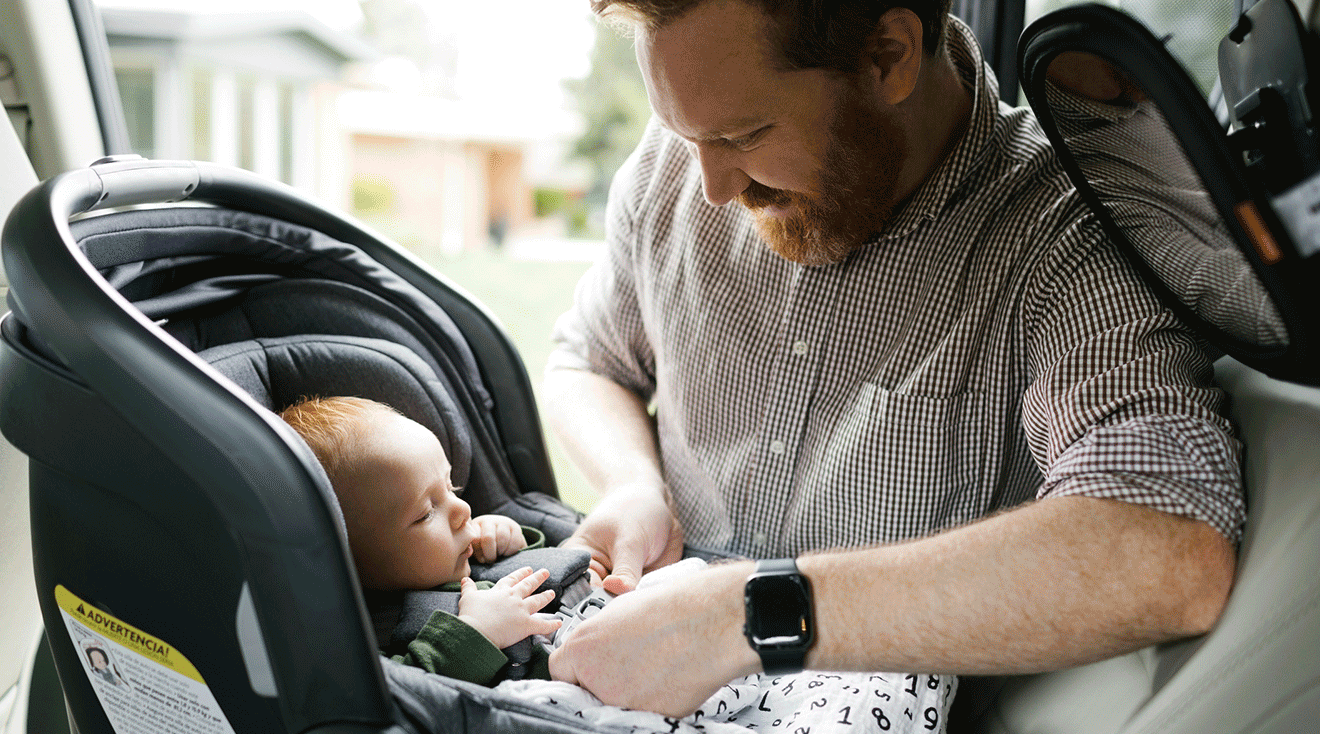
Safety features must meet high standards. Check for a strong frame and secure harness system. The seat should fit tightly in your car without moving.
Adjustable straps and headrests help keep your baby snug. Proper support prevents discomfort and keeps the baby’s position stable.
Select Age-appropriate Models
Car seats come in different types for each stage of growth. Choose one that fits your baby’s weight and height. This ensures the best protection and comfort.
- Rear-facing seats for newborns and infants
- Forward-facing seats for toddlers
- Booster seats for older children
Using the correct seat type reduces risks during sudden stops. It also helps your baby adjust to the seat more easily.
Credit: www.safeintheseat.com
Create A Cozy Environment
Creating a cozy environment helps your baby feel safe and calm in the car seat. Babies respond well to comfort and familiarity. This makes car rides easier for both of you. Small changes in the car seat setup can make a big difference. Focus on making the space soft and warm.
Use Soft Blankets And Cushions
Soft blankets add warmth and softness to the car seat. Choose blankets made from gentle materials like cotton or fleece. Cushions provide extra support and comfort. Place them carefully to avoid blocking straps or safety features. Use small, thin cushions that fit well without crowding. These items make the seat feel more like a cozy nest.
Maintain Comfortable Temperature
Keep the car at a steady, comfortable temperature. Too hot or too cold can upset your baby. Use sunshades on windows to reduce heat from sunlight. Dress your baby in layers to adjust easily. Check the temperature often during the ride. A pleasant temperature helps your baby relax and enjoy the trip.
Make Car Seat Time Fun
Getting your baby to enjoy the car seat can feel like a challenge, but making the experience fun can change everything. When your little one looks forward to car seat time, the whole trip becomes smoother for both of you. Adding simple elements that entertain and comfort your baby can create positive associations with the car seat.
Introduce Favorite Toys
Bringing along your baby’s favorite toys turns the car seat into a mini play zone. Soft plush animals, colorful rattles, or teething rings can keep your baby engaged and distracted from discomfort.
Try attaching toys to the car seat straps to keep them within easy reach without creating a mess. Have you noticed how your baby’s face lights up when they see a beloved toy? That reaction can make every car ride more enjoyable.
Play Soothing Music
Playing gentle, soothing music can calm your baby and make the car seat feel like a cozy space. Soft lullabies or nature sounds work well to create a peaceful atmosphere.
Experiment with different types of music to see what your baby responds to best. Sometimes a familiar tune you sing at home can also comfort your baby and ease the transition to car seat time.
Establish A Routine
Getting your baby comfortable with the car seat is easier when you create a predictable routine. Babies thrive on consistency—it helps them feel safe and less anxious. Establishing a clear pattern around car seat time can turn a stressful moment into a smooth experience.
Consistent Seat Time
Try to make car seat time a regular part of your baby’s day, not just when you’re going on a trip. Even short, calm sessions in the seat can build familiarity. You might start by placing your baby in the seat for a few minutes while you’re at home, then gradually increase the time.
This helps your baby get used to the feeling of being in the car seat without the added stress of a moving vehicle. Consistency is key—choose similar times each day, like right after a nap or before a walk. Have you noticed how your baby reacts when you stick to the same routine? It often reduces fussiness dramatically.
Pre-ride Calming Activities
Before placing your baby in the car seat, help them wind down with calming activities. Soft singing, gentle rocking, or a quiet story can ease restlessness. This quiet time sets a positive mood and makes the transition smoother.
Consider dimming the lights or giving your baby a favorite toy to hold during this time. These small actions signal that it’s time to relax, which can make your baby more willing to settle into the car seat. What calming ritual do you find works best for your little one before a car ride?
Practice Short Rides First
Begin with short car rides to help your baby get used to the seat comfortably. Gradual exposure builds trust and reduces fussiness during longer trips.
Introducing your baby to the car seat can feel like a daunting task, but starting with short rides can make the transition smoother. Short rides help your baby get accustomed to the feeling of being strapped in without overwhelming them. Think of it as building a new habit in small, manageable steps.Gradual Time Increase
Begin with brief car trips around your neighborhood. This approach allows your baby to adjust to the new environment in small doses. Once your baby seems comfortable, gradually extend the duration of your trips. Notice how your baby reacts during different segments of the ride. Are they more relaxed after a certain amount of time? Use these cues to plan future outings.Positive Reinforcement
Use positive reinforcement to associate the car seat with enjoyable experiences. Bring along your baby’s favorite toy or blanket. This familiar item can provide comfort and make the seat feel more welcoming. Celebrate the small victories. Did your baby manage a car ride without fussing? Offer praise or a little reward once you’re safely parked. These positive associations can turn car rides into a pleasant experience for both you and your baby. Have you tried singing or playing soothing music during the ride? These simple strategies can also help create a calming atmosphere.Use Distractions Wisely
Distractions can help a baby feel calm and happy in the car seat. Using distractions wisely means choosing things that keep the baby busy without causing stress. The right distractions make rides smoother and more pleasant. Focus on simple and safe options that catch your baby’s attention and make them smile.
Interactive Toys
Interactive toys keep babies engaged with sounds and movements. Toys with buttons, lights, or soft textures work well. Choose toys that attach safely to the car seat. This stops them from falling and causing fuss. Swap toys often to keep your baby interested. Let your baby explore toys with their hands. This helps them feel comfortable and distracted during the ride.
Visual Entertainment
Visual entertainment can calm a baby in the car seat. Use colorful books or soft picture cards. Hang a small mobile above the seat for gentle movement. Make sure visuals are safe and not too bright. Avoid screens that are too close or loud. Keep visuals simple and soothing to avoid overstimulation. A calm view helps your baby relax and enjoy the trip.
Ensure Proper Harnessing
Ensuring your baby’s car seat harness fits properly is key to making car rides safe and comfortable. A well-secured harness prevents unnecessary movement, which can help your baby feel more secure and less fussy. Let’s look at how to check the fit and avoid common mistakes that might make your little one uncomfortable.
Check For Snug Fit
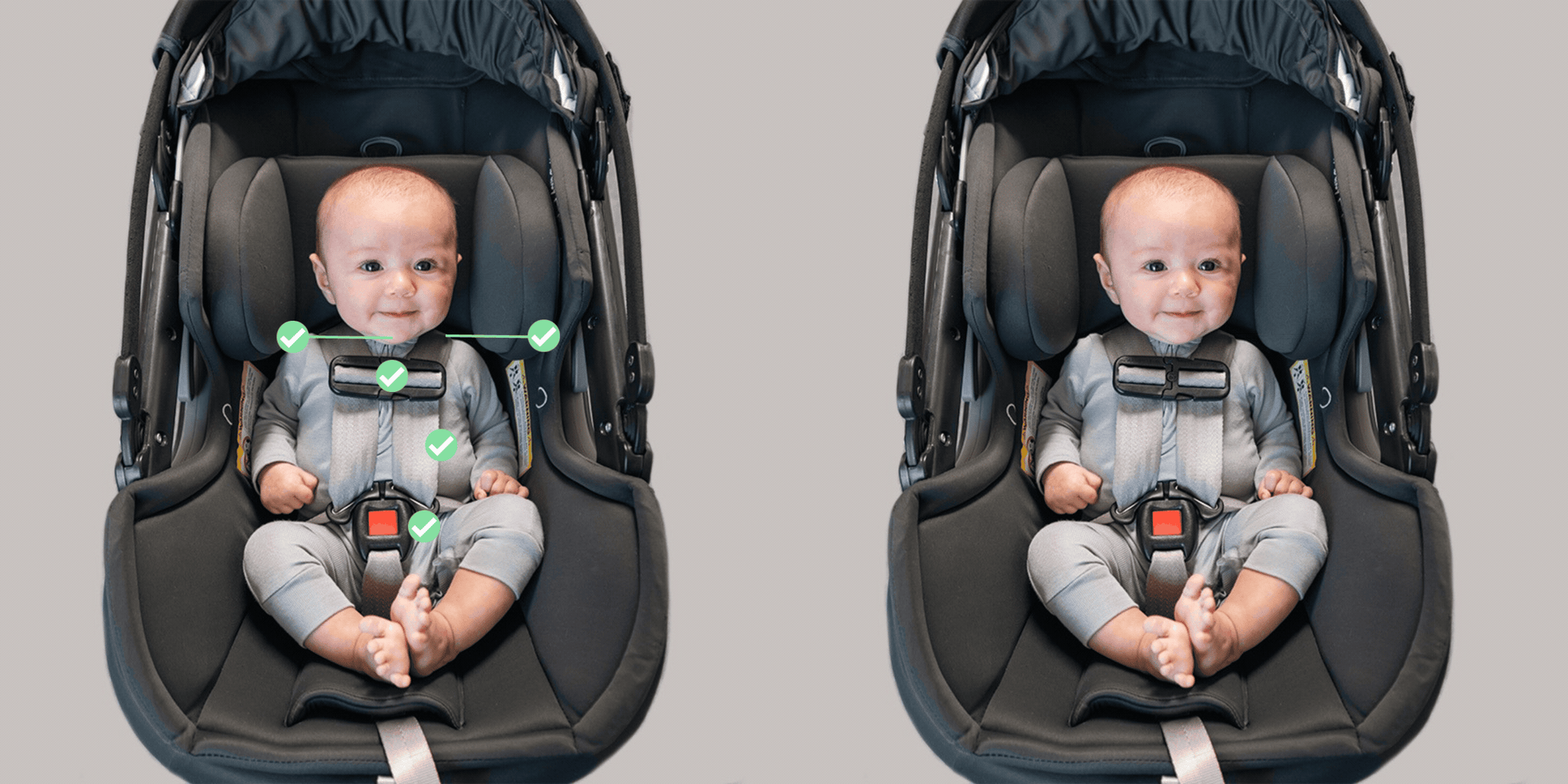
The harness should lie flat without any twists, fitting snugly against your baby’s chest and shoulders. You want to make sure you cannot pinch any slack in the straps at the shoulder — this is often called the “pinch test.”
My little one used to fuss until I realized the harness was a bit loose, letting her shift around too much. Once I tightened it just right, she settled down faster than expected. Could your baby be reacting to a loose fit?
Avoid Over-tightening
Tightening the harness too much can cause discomfort and restrict your baby’s breathing. You should be able to slide one finger between the harness and your baby’s collarbone comfortably.
It’s easy to think tighter means safer, but that’s not true. Finding the balance between snug and too tight helps your baby feel secure without feeling squeezed.
Stay Calm And Patient
Getting a baby to like a car seat can be challenging. Staying calm and patient is key to success. Your calmness will reassure your baby, making car rides more enjoyable.
Handle Fussiness Gently
Babies can get fussy in car seats. Respond gently to their cries. Speak softly and offer comfort. Sing a soothing song or play calming music. A gentle approach helps them feel secure.
Avoid Negative Reactions
Reacting negatively can increase your baby’s stress. Avoid showing frustration or anger. Maintain a positive demeanor. Your positive attitude sets the tone for a smoother ride.
Seek Professional Advice
Getting your baby comfortable with their car seat can sometimes feel like a puzzle. Seeking professional advice can provide you with tailored tips that match your baby’s unique needs. Experts bring experience and knowledge that can help you understand your baby’s reactions and find practical solutions.
Consult Pediatricians
Pediatricians know your baby’s health and development best. They can offer advice on whether your baby’s fussiness in the car seat might be linked to any medical issues or discomfort. Sometimes, a minor adjustment recommended by your doctor can make a big difference in how your baby feels during car rides.
Ask your pediatrician questions like:
- Could my baby’s fussiness be related to reflux or ear infections?
- Are there specific car seat positions or accessories that are safer or more comfortable?
- How long is safe for my baby to stay in the car seat at one time?
Getting this information helps you make informed decisions and ensures your baby’s comfort and safety on the road.
Ask Car Seat Experts
Car seat experts specialize in installation, safety, and comfort features that many parents overlook. They can demonstrate the correct way to install your car seat and adjust straps for optimal fit. Sometimes, parents miss small details like tightening the harness properly or using the right angle that can change the baby’s experience drastically.
When you talk with a car seat expert, consider asking:
- Is my car seat installed correctly for my baby’s size and age?
- Are there recommended accessories to improve comfort without compromising safety?
- What common mistakes should I avoid when using the car seat?
These insights not only improve your baby’s comfort but also give you peace of mind every time you drive. Have you checked your car seat installation recently with a certified expert? It might be worth a quick visit.
.jpg)
Credit: www.thule.com
Frequently Asked Questions
How Can I Make Car Seat Comfortable For My Baby?
Use soft padding and adjust straps snugly but not tight. Add a cozy blanket and familiar toys. Ensure the seat is at the right recline angle to support your baby’s head and body comfortably.
Why Does My Baby Cry In The Car Seat?
Babies may cry due to discomfort, unfamiliarity, or motion sensitivity. Check the temperature, adjust the seat, and try soothing sounds. Gradual exposure helps them get used to the car seat environment.
How To Introduce The Car Seat To A Baby?
Start by letting your baby explore the car seat while stationary. Use positive reinforcement, like cuddles and toys. Short, frequent sessions help build comfort before longer car rides.
What Are Tips For Calming A Baby In The Car Seat?
Try gentle rocking, singing, or white noise to soothe your baby. Ensure they are well-fed and rested before trips. Using pacifiers or favorite toys also helps calm them during rides.
Conclusion
Getting your baby to like the car seat takes time and patience. Try making rides fun with toys or songs. Keep the seat comfortable and secure at all times. Small breaks during long trips help your baby feel better. Stay calm and positive; babies sense your mood.
Soon, your little one will enjoy car rides more. Remember, every baby is different. Keep trying gently, and success will come. Safe and happy travels start with a happy baby.