
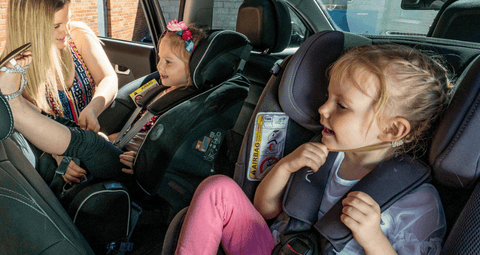
Have you ever wondered why your baby’s car seat faces backwards? It might seem unusual at first, but there’s a very important reason behind it—one that could protect your little one in ways you might not expect.
Understanding this simple yet crucial detail can make a big difference in keeping your baby safe during every trip. Keep reading, and you’ll discover why turning your baby’s car seat backward is one of the smartest choices you can make as a parent.
Benefits Of Rear-facing Car Seats
Choosing a rear-facing car seat for your baby isn’t just about following rules—it’s about maximizing safety in the moments that matter most. Rear-facing seats offer significant protection by supporting your baby’s fragile body during sudden stops or crashes. Understanding these benefits helps you feel confident that you’re giving your child the best possible care on every trip.
How Rear-facing Protects The Head And Neck
Your baby’s head is large compared to their body, and their neck muscles are still very weak. In a crash, a forward-facing seat lets the head whip forward, putting tremendous strain on the neck. This can cause serious injuries because the neck can’t handle the sudden force.
Rear-facing seats cradle your baby’s head, neck, and spine by distributing the impact force over the entire back. This design keeps the head from snapping forward and reduces the risk of spinal cord damage. Imagine how a gentle push feels versus a sharp jerk—that’s the difference rear-facing makes.
Reducing Injury Risks In Collisions
Car crashes happen fast—often in just a few seconds. Rear-facing seats absorb the energy of a collision better by supporting your baby’s entire body. This helps prevent injuries not just to the neck, but to vital organs and the spine as well.
Data shows that babies in rear-facing seats are up to five times safer in severe crashes. This isn’t just theory; many parents have shared stories of rear-facing seats saving their child’s life. Could your family’s story be next?
- Rear-facing seats reduce the chance of head injuries by supporting the skull evenly.
- They lower the risk of neck fractures by limiting head movement.
- The design helps protect internal organs by spreading crash forces.
Choosing to keep your baby rear-facing for as long as possible is a simple step that can make a huge difference. Have you checked your car seat’s height and weight limits recently to ensure your child stays safely rear-facing?

Credit: www.thule.com
Recommended Age And Weight Limits
Choosing the right time to switch a baby from a rear-facing car seat is important. Age and weight are the main factors parents watch. These limits ensure the baby is safe and comfortable. Car seats come with labels that show the maximum weight and height for rear-facing use. Following these limits helps protect a child during travel.
Many parents wonder how long their baby should stay rear-facing. Safety experts suggest keeping babies rear-facing as long as possible. This position supports the head, neck, and spine better in a crash. Let’s explore what safety authorities recommend and when it is safe to change the car seat direction.
Guidelines From Safety Authorities
Safety groups like the American Academy of Pediatrics (AAP) and the National Highway Traffic Safety Administration (NHTSA) set clear rules. They advise children remain rear-facing until at least age 2. Some suggest staying rear-facing until the child reaches the highest weight allowed by the car seat maker.
- Rear-facing reduces injury risk by spreading crash forces.
- Most convertible seats allow rear-facing up to 40-50 pounds.
- Using the rear-facing seat longer helps protect the child’s head and neck.
Parents should check the car seat manual for exact weight and height limits. These limits vary by model and brand. Staying within these numbers ensures the seat works as designed.
When To Transition To Forward-facing
Switching to forward-facing happens after the child outgrows the rear-facing limits. This means passing the maximum weight or height for the seat in rear-facing mode. The AAP recommends waiting until age 2 or older.
Many children remain rear-facing until age 3 or 4. It depends on their growth and car seat capacity. Forward-facing seats have their own limits, so parents must watch those too.
- Check the car seat label for forward-facing weight and height limits.
- Use a five-point harness in forward-facing mode for safety.
- Keep the child in the forward-facing seat until they reach those limits.
Changing too early can increase injury risk. Always follow safety guidelines for the best protection.
Types Of Rear-facing Car Seats
Rear-facing car seats provide the best protection for babies in a crash. They support the head, neck, and spine by distributing crash forces evenly. Parents have two main types of rear-facing car seats to choose from. Each type has unique features and fits different needs. Understanding these options helps you pick the safest seat for your child.
Infant-only Seats
Infant-only seats are designed for newborns and small babies. They usually fit children up to 22 to 35 pounds. These seats are lightweight and easy to carry. Many come with a handle for quick transport. They often have a base that stays installed in the car. The seat clicks into the base for convenience and safety. Infant seats have a reclined position that helps keep the baby’s airway open. They offer excellent side impact protection. However, babies outgrow them quickly and need a new seat soon.
Convertible Seats
Convertible seats grow with your child. They start as rear-facing seats for infants. These seats can hold children up to 40 or 50 pounds facing backward. Later, they can turn forward-facing for toddlers. Convertible seats are heavier and bulkier than infant-only seats. They stay in the car, which makes carrying the baby harder. Many parents prefer convertible seats for their long use span. They save money by avoiding multiple seat purchases. Convertible seats also have adjustable recline and harness positions for comfort and safety.
Proper Installation Tips
Proper installation of a rear-facing car seat keeps your baby safe during travel. It ensures the seat fits tightly and protects your child in case of sudden stops or accidents. Small errors can reduce the seat’s effectiveness. Follow these tips to install the seat correctly and avoid common pitfalls.
Securing The Car Seat Correctly
Start by reading the car seat manual carefully. Place the seat in the back seat of the car, as this is the safest spot. Use either the seat belt or the LATCH system to secure the seat. Tighten the strap or belt until the seat does not move more than one inch side to side or front to back. Adjust the angle of the seat so your baby’s head does not flop forward. Check that the harness fits snugly around your baby, with no slack.
Common Installation Mistakes
- Using both the seat belt and LATCH system together unless allowed by the manual
- Installing the seat loosely, causing it to shift during travel
- Not adjusting the recline angle correctly, which can cause breathing issues
- Placing the chest clip too low or too high on the baby’s harness
- Ignoring the car seat’s expiration date or damage
Double-check the installation every time you use the seat. Many local fire stations or police departments offer free car seat inspections. Use these services to ensure the seat is installed properly.
Legal Requirements By Region
Understanding the legal requirements for rear-facing car seats can help you keep your baby safer during every trip. Laws vary depending on where you live, and knowing these differences ensures you’re not just following rules but protecting your child effectively. Let’s look at how regulations shape the use of rear-facing seats across regions.
Laws In The United States
In the U.S., laws about rear-facing car seats differ by state, but all emphasize the importance of keeping babies rear-facing for as long as possible. Most states require infants to ride rear-facing until at least 1 year old and weigh at least 20 pounds.
Some states, like California and New York, have stricter rules that encourage rear-facing use until 2 years of age or until the child exceeds the car seat’s height and weight limits. Have you checked your state’s specific guidelines? It’s crucial because what’s allowed in one state might not be legal in another.
International Safety Standards
Internationally, safety standards often recommend even longer rear-facing periods than many U.S. states. For example, European countries generally require children to remain rear-facing until they are 15 months old or longer.
Standards like the United Nations’ ECE R44 and ECE R129 (i-Size) promote rear-facing travel up to 15 months or beyond, emphasizing better head and neck protection during crashes. Could these international standards influence your choice even if local laws are less strict? Thinking beyond legal minimums can significantly improve your baby’s safety.

Credit: carseatninja.com
Common Myths About Rear-facing Seats
Rear-facing car seats are a topic often surrounded by myths and misconceptions. Parents naturally want the best for their children, yet misinformation can lead to confusion about what’s truly safe and comfortable for your baby. Let’s debunk some of these common myths to ensure your little one is both secure and content during car rides.
Comfort Concerns For Babies
Many parents worry that rear-facing seats are uncomfortable for their growing child. You might think that having their legs bent or resting against the seat is awkward or painful. However, babies are incredibly flexible and can comfortably sit cross-legged or with their legs bent for extended periods.
Reflect on how children often sit in various positions on the floor while playing without complaint. Similarly, rear-facing seats allow them the freedom to find a comfortable position that suits them. Ensuring the seat is properly installed will also aid in maximizing comfort and safety.
Misconceptions About Visibility
Another common myth is that rear-facing seats limit a child’s view, making them bored or anxious. While it may seem like they’re missing out on the scenery, the truth is that young children are more interested in interacting with their immediate surroundings. They can enjoy looking at toys, books, and even the backseat mirror, which also allows them to see you.
Rear-facing mirrors can be a great tool for keeping your child engaged and entertained. They can provide a sense of connection, letting your baby see your face and hear your voice, which can be more comforting than any roadside view. Isn’t it more reassuring to know your baby is secure and you can see them too?
Understanding these myths can help you feel more confident in your choice of a rear-facing seat. Prioritize safety and comfort, and you’ll be giving your child the best possible start on the road.
Parental Experiences And Advice
Parents often share their real-life experiences about using rear-facing car seats for babies. These stories highlight common challenges and practical advice. Many find the early months both rewarding and tricky. Listening to these experiences helps new parents feel more confident and prepared.
Challenges And Solutions
Many parents mention difficulties with fitting the car seat properly. Some cars have limited space, making installation hard. Babies may resist being placed in the seat, causing fussiness. Cleaning the seat and keeping it comfortable can also be a struggle.
- Use a car seat with clear installation instructions.
- Check if your vehicle supports the car seat size.
- Try different fabrics or covers for comfort.
- Distract babies with toys or songs during rides.
Tips For Easier Transitions
Parents advise introducing the car seat early to help babies get used to it. Gradually increasing time in the seat helps reduce fussiness. They suggest talking or singing to the baby while buckling up. Maintaining a calm environment makes transitions smoother.
- Practice short rides first to build comfort.
- Keep the seat reclined to a comfortable angle.
- Use soft blankets to keep babies cozy.
- Stay calm and patient during every trip.

Credit: www.thule.com
Frequently Asked Questions
Why Do Babies Face Backwards In Car Seats?
Babies face backwards to protect their heads and necks during crashes. Rear-facing seats better absorb impact forces, reducing injury risk. This position supports their delicate spine and brain, making it the safest travel method for infants and toddlers.
How Long Should A Baby Stay Rear-facing?
Experts recommend keeping babies rear-facing until at least age 2 or until they reach the car seat’s height and weight limits. This extended rear-facing period maximizes safety by providing optimal crash protection during early development stages.
Are Rear-facing Car Seats Safer For Babies?
Yes, rear-facing car seats are proven safer. They distribute crash forces across the back, neck, and head evenly. This reduces the chance of serious injuries compared to forward-facing seats, making them essential for infant safety.
When Can A Baby Switch To Forward-facing Seats?
Babies can switch when they outgrow rear-facing limits, usually after age 2. Always check the car seat’s manual for specific height and weight restrictions before switching to forward-facing mode.
Conclusion
Babies face backward in car seats for better protection. This position supports their head, neck, and spine safely. It reduces injury risks during sudden stops or crashes. Experts recommend using rear-facing seats as long as possible. Parents should check car seat guidelines carefully.
Choosing the right seat and installing it correctly matters a lot. Keeping babies safe on every trip is the main goal. Simple steps like this can save young lives. Safety always comes first when traveling with little ones.