
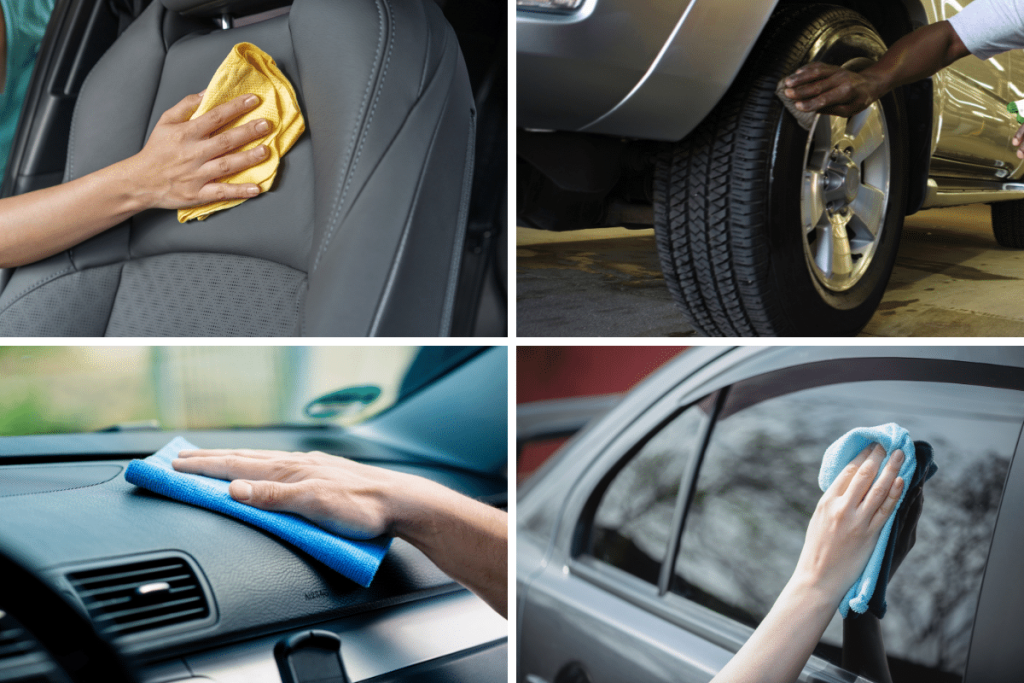
Best Homemade Car Interior Cleaner: Are you tired of spending a fortune on commercial car interior cleaners that promise the world but deliver little? Imagine transforming your car’s interior into a spotless haven with ingredients you can find right at home.
You’re not just saving money; you’re also choosing a more eco-friendly solution. You’ll discover the best homemade car interior cleaner that will leave your seats, dashboard, and carpets looking brand new. Let’s dive into the secrets of a cleaner, fresher car that you’ll love driving every day.
Don’t miss out on these easy and effective tips that will make your car’s interior shine like never before!

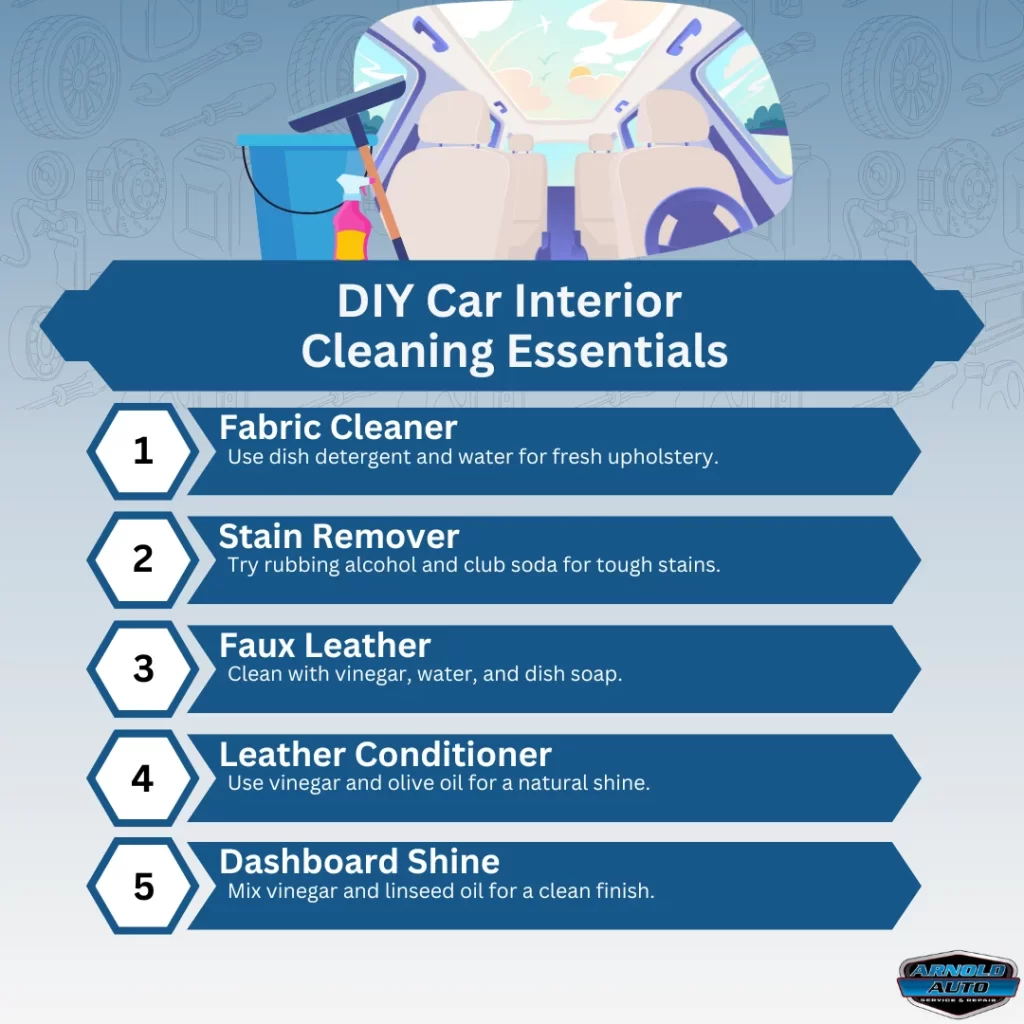
Essential Ingredients
Crafting a homemade car interior cleaner is simple and effective. With the right ingredients, you can achieve a spotless interior. These ingredients are often found in your kitchen or pantry. They are safe and eco-friendly too.
Let’s explore these essential components. They will ensure your car’s interior shines.
Natural Cleaning Agents
White vinegar acts as a powerful cleaning agent. It cuts through grease and grime. Its acidic nature helps remove stains. Baking soda is another must-have. It works wonders on upholstery. It absorbs odors and freshens the air.
Lemon juice is a natural disinfectant. It leaves a fresh scent behind. Olive oil can polish leather surfaces. It keeps them supple and shiny.
Diy Solutions
Create a simple cleaning solution with vinegar and water. Mix equal parts in a spray bottle. For tougher stains, make a paste. Combine baking soda with water. Apply it to the stain, then scrub gently.
For a refreshing scent, add lemon juice to your mix. Use olive oil on a soft cloth. Gently rub it on leather seats. These DIY solutions are budget-friendly and effective.
Tools And Supplies
Creating the best homemade car interior cleaner requires the right tools and supplies. A clean car interior enhances the driving experience. Using homemade solutions can be budget-friendly and effective. Here, learn about the must-have tools and optional accessories for cleaning your car interior.
Must-have Tools
A vacuum cleaner is essential for removing dirt and crumbs. Choose one with a nozzle that reaches tight spaces. Microfiber cloths are perfect for dusting and wiping surfaces. They don’t scratch and absorb well. Spray bottles make applying cleaning solutions easy. Fill them with your homemade cleaner for quick application.
Soft brushes help in cleaning fabric and carpets without damage. Use them to gently scrub stubborn stains. A squeegee is useful for cleaning windows and mirrors. It removes water streaks effectively.
Optional Accessories
Consider using a steam cleaner. It sanitizes surfaces with heat and removes tough grime. An upholstery cleaner can target fabric and leather seats. It lifts stains without harsh chemicals.
A detailing kit offers specialized tools for thorough cleaning. It includes brushes, pads, and solutions for various surfaces. Stain removers tackle specific spots like ink or food spills. They work well for targeted cleaning needs.
Step-by-step Cleaning Process
Cleaning your car’s interior can be simple with the right steps. Homemade cleaners work wonders. They are gentle yet effective. Follow this easy step-by-step process. Your car will look and feel fresh in no time.
Preparation And Setup
Start by gathering your cleaning supplies. You’ll need a spray bottle, white vinegar, water, and a few microfiber cloths. Choose a sunny day for cleaning. The sunlight helps dry surfaces quickly. Open all car doors and windows for ventilation. Remove all items from the car. This includes floor mats, seat covers, and any personal belongings. Vacuum the interior thoroughly. Focus on seats, carpets, and crevices. This removes loose dirt and debris. A clean surface is easier to work on.
Cleaning Techniques
Mix equal parts of vinegar and water in your spray bottle. Spray the solution on a microfiber cloth. Wipe down the dashboard, steering wheel, and console. For stubborn stains, spray directly on the stain. Let it sit for a few minutes. Scrub gently with a cloth. Use a soft brush for fabric seats. Dip the brush in the cleaning solution. Scrub the seats in circular motions. For leather seats, use a leather-specific cleaner. Gently wipe the leather surfaces with a cloth. Clean the windows with the vinegar solution. Spray on the glass and wipe with a clean cloth. Ensure no streaks are left behind.
Finishing Touches
Replace all removed items in the car. Put back floor mats and seat covers. Ensure everything is dry before replacing. Add a small air freshener for a pleasant scent. Check all cleaned areas for missed spots. Wipe again if necessary. Close all doors and windows. Enjoy your fresh, clean car interior. Notice the difference homemade cleaners make. They’re economical and efficient.

Special Considerations
Cleaning your car interior can be a rewarding experience, especially when you use homemade solutions tailored for different materials. But before you dive into scrubbing, there are special considerations to keep in mind. Each material inside your car has its unique needs. Overlooking these can lead to damage or reduced effectiveness of your cleaning efforts. Let’s explore how to treat leather, fabric, and plastic interiors with the care they deserve.
Leather Interiors
Leather needs gentle yet effective cleaning. You can’t just use any cleaner; it might dry out or crack the leather. A mixture of water and mild soap can work wonders. Add a little vinegar for added shine.
Be cautious when applying. Use a soft cloth and never soak the leather. Always test a small area first. Why risk damaging your seats when a simple test can save you?
Regular conditioning keeps leather supple. Think of it as moisturizing your skin. Would you skip moisturizer for your skin? Probably not. Treat your leather with the same respect.
Fabric And Upholstery
Fabric interiors require a different approach. You might deal with spills, stains, or a general buildup of grime. Baking soda can be your best friend here. Sprinkle it on the fabric, let it sit, then vacuum it up.
For stubborn stains, mix water, vinegar, and dish soap. Dab, don’t rub, the stain. Rubbing can push the stain deeper. Ever tried scrubbing a stain only to make it worse? It’s frustrating, right?
Keep in mind that some fabrics are more delicate. Always check the manufacturer’s guidelines. Would you wear a wool sweater without checking the care label? The same principle applies here.
Plastic And Vinyl
Plastic and vinyl surfaces are often the easiest to clean. A simple mix of water and vinegar can tackle most dirt. Add a few drops of essential oil for a pleasant scent.
A soft brush can help remove ingrained dirt. Ever noticed how dust clings to dashboard crevices? A gentle brush can reach those tricky spots.
Be mindful of harsh chemicals. They can fade colors and weaken materials. Would you use bleach on your favorite shirt? Probably not. Treat your car’s interior with the same care.
These special considerations ensure your homemade cleaner is effective and safe. You wouldn’t ignore advice from a friend about a new recipe, right? Apply the same attentiveness to your car cleaning routine. Each material deserves its own tailored approach. How do you plan to treat your car’s interior with the respect it deserves?
Safety Tips
Create a homemade car interior cleaner using mild ingredients for safety. Test it on a small area first. Ventilate your car well to avoid strong smells. Always wear gloves to protect your skin. Keep your car clean and fresh with these easy steps.
When you’re sprucing up your car with homemade interior cleaners, safety should be your top priority. While crafting your own cleaning solutions can be rewarding, it’s crucial to handle the ingredients carefully and protect yourself from potential hazards. Let’s explore some essential safety tips that will keep you and your car safe during the cleaning process.
Handling Chemicals
Even natural ingredients can pose risks. Baking soda and vinegar might be kitchen staples, but mixing them can produce reactions that require caution. Ensure your workspace is well-ventilated to avoid inhaling fumes. Store chemicals properly. Keep them out of reach of children and pets, and away from food items. Always label your homemade solutions clearly to prevent misuse. Read ingredient labels. Understanding what you’re using helps prevent accidents. Before mixing, check if the components are safe to combine. Have you ever accidentally mixed bleach with another cleaner? It’s a mistake you don’t want to repeat.
Protective Gear
Using protective gear is a simple yet effective way to safeguard yourself. Gloves are essential to prevent skin irritation or chemical burns. Choose rubber or latex gloves for a snug fit and better protection. Consider eye protection. Cleaning sprays can accidentally splash, causing irritation or injury. Safety goggles can be a lifesaver in such situations. Wear a mask. If your cleaning involves strong smells or fumes, a mask can protect your respiratory system. These precautions might seem minor, but they can save you from discomfort and health issues. Have you ever thought about the long-term effects of neglecting these safety measures? It’s easy to underestimate the risks, but taking these simple steps can make all the difference. Your health and safety should always come first, even in the seemingly mundane task of cleaning your car’s interior.
Common Mistakes
Creating homemade car interior cleaner involves common mistakes like using harsh chemicals that damage surfaces. Ensure ingredients are safe for fabrics and plastics. Avoid mixing substances that can produce harmful fumes, like vinegar and bleach. Use soft cloths to prevent scratches on delicate materials.
Keeping your car’s interior clean enhances both its appearance and comfort. However, in the quest for cleanliness, many make mistakes that can lead to unintended damage or ineffective cleaning. Understanding these common pitfalls can save you time, effort, and money, ensuring your vehicle remains in top condition. Let’s dive into two frequent missteps when it comes to homemade car interior cleaning.
Avoiding Damage
When crafting a homemade car interior cleaner, it’s crucial to choose ingredients wisely. Some natural cleaners can be surprisingly harsh on delicate materials. Using vinegar, for instance, can erode certain surfaces or leave a lingering odor. Consider testing a small, inconspicuous area of your car’s interior before using any new cleaner extensively. Have you ever noticed discoloration or fading after cleaning? This is often due to the use of abrasive materials or the wrong cleaning technique. Microfiber cloths are a gentle yet effective option for most surfaces. They minimize the risk of scratches and help maintain your car’s pristine look.
Overuse Of Products
A common mistake is thinking that more product means better cleaning. Overusing cleaning solutions can leave residues that attract more dirt over time. Why not start with a small amount and add more if needed? This not only ensures effective cleaning but also saves money and resources. Additionally, frequent cleaning with strong solutions can wear out materials faster. It’s about finding the right balance. Routine maintenance with a mild cleaner can keep your interior fresh without unnecessary wear and tear. Do these common mistakes sound familiar? By being mindful of your cleaning habits, you can protect your car’s interior while achieving a spotless look. What changes will you make in your cleaning routine?
Maintenance Tips
Maintaining a clean car interior enhances the driving experience. A homemade car interior cleaner can keep your vehicle fresh and spotless. Follow these maintenance tips to ensure your car stays in top condition.
Regular Cleaning Schedule
Establish a regular cleaning schedule for your car’s interior. Consistent cleaning prevents dirt and grime buildup. Vacuum the seats and carpets weekly. Wipe down surfaces with your homemade cleaner every two weeks. This routine keeps your car looking and smelling fresh.
Storage And Care
Store your homemade cleaner in a cool, dry place. Use a spray bottle for easy application. Label the bottle with ingredients and date of preparation. This ensures the cleaner remains effective and safe to use. Keep it out of direct sunlight to prolong its shelf life.
Benefits Of Homemade Cleaners
Choosing homemade car interior cleaners offers several advantages. These solutions are not only effective but also gentle on surfaces. They help maintain your car’s interior without harsh chemicals. Let’s explore how homemade cleaners can benefit you.
Cost-effectiveness
Store-bought cleaners can be expensive. Homemade cleaners save you money. You use ingredients already in your home. Vinegar, baking soda, and lemon juice are common. They clean surfaces well without a high price tag. Making your own cleaner means spending less on car maintenance.
Eco-friendly Choices
Homemade cleaners are kind to the environment. They use natural ingredients. These choices reduce chemical waste. Many store products contain harsh substances. These can harm the planet. Homemade options are biodegradable and safe. They help keep the earth clean and healthy.
Frequently Asked Questions
What Is The Best Homemade Dashboard Cleaner For Cars?
Mix equal parts of vinegar and water for a natural dashboard cleaner. Add a few drops of essential oil for fragrance. Use a microfiber cloth to wipe the surface. This homemade solution effectively cleans grime and dust, leaving your dashboard fresh and shiny.
It’s eco-friendly and cost-effective.
What’s The Best Thing To Clean The Interior Of My Car With?
Use a microfiber cloth with a mild all-purpose cleaner for most surfaces. Clean leather with a dedicated leather cleaner. Vacuum carpets and seats regularly. Use a soft brush for vents and tricky spots. Avoid harsh chemicals to prevent damage.
What Is The Best Home Remedy For Cleaning Car Seats?
Mix equal parts of white vinegar and water in a spray bottle. Spray the solution on the car seats, then scrub gently with a soft brush. Wipe with a clean microfiber cloth to remove dirt and excess moisture. This method effectively cleans and deodorizes car seats.
What Not To Use When Cleaning Car Interior?
Avoid using bleach, ammonia-based cleaners, and harsh chemicals on car interiors. These can damage surfaces and fade colors. Use mild cleaners specifically designed for cars to ensure safety.
Conclusion
Creating a homemade car interior cleaner is simple and effective. These DIY solutions save money and reduce harsh chemicals. Your car stays fresh and clean with natural ingredients. Mix the right items and enjoy a spotless interior. Easy to make and use.
Feel proud knowing you crafted your own cleaner. Maintain your car’s beauty effortlessly. Keep these tips handy for future cleaning needs. Impress friends with your eco-friendly approach. Enjoy driving in a clean and healthy environment. Try these methods and see the difference.
Your car deserves the best care.