
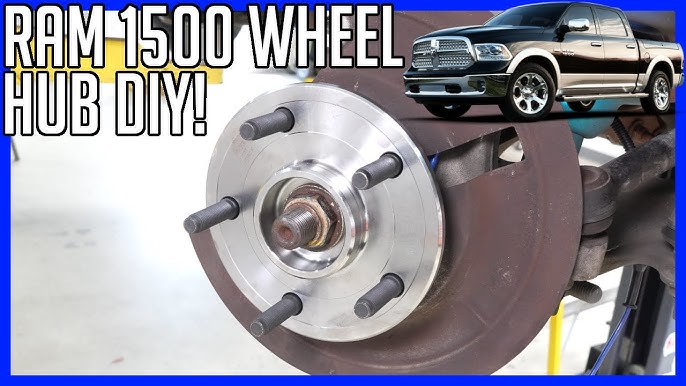
What is a Wheel Hub on a Car: Have you ever wondered what keeps your car’s wheels spinning smoothly and safely? The answer lies in a small but crucial part called the wheel hub.
Without it, your wheels wouldn’t stay in place or roll properly. Understanding what a wheel hub is and how it works can help you take better care of your car and avoid costly repairs. Keep reading to discover why this simple component plays such a big role in your vehicle’s performance and safety.

Credit: www.amazon.com
Role Of The Wheel Hub
The wheel hub plays a crucial role in your car’s overall function. It acts as the central part that connects the wheel to the vehicle. Without it, the wheel cannot move or stay attached properly. The wheel hub also supports the car’s weight and allows the wheel to rotate smoothly. Understanding these roles helps you see why the hub is vital for safe driving and car performance.
Connecting The Wheel To The Vehicle
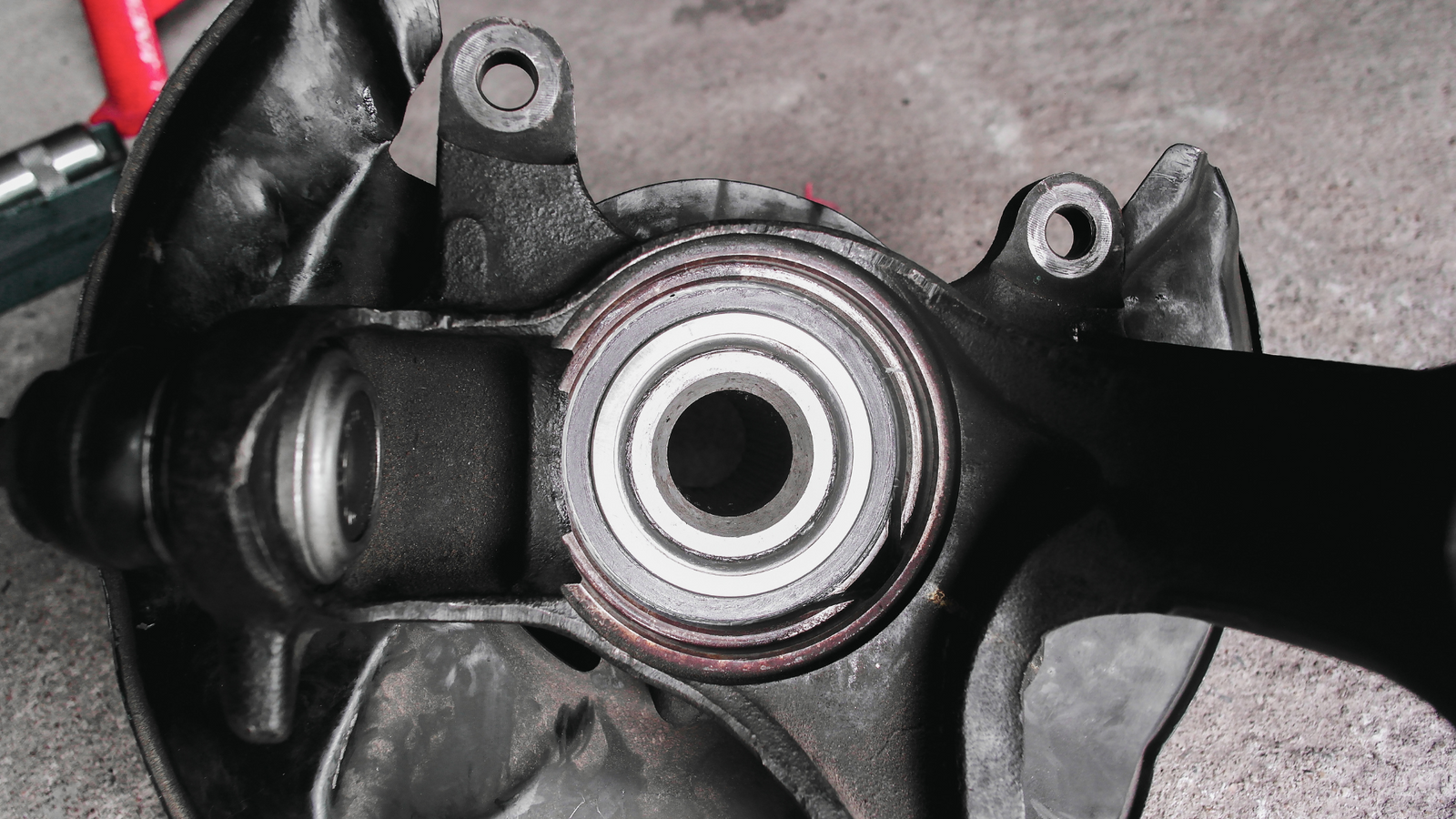
The wheel hub is the link between the wheel and the car’s axle. It holds the wheel in place using bolts and studs. This secure connection keeps the wheel from falling off while driving. The hub also houses the wheel bearings that help in smooth movement.
Supporting The Weight Of The Car
The wheel hub carries the weight of the entire vehicle. It distributes this weight evenly to the wheels. This support is important for balance and stability. A strong hub ensures that the car stays steady on the road.
Enabling Smooth Wheel Rotation
The wheel hub allows the wheel to spin freely with little friction. It contains bearings that reduce resistance during rotation. This smooth motion improves driving comfort and fuel efficiency. Proper functioning of the hub means safer and easier steering.
Key Components Of A Wheel Hub
The wheel hub is a vital part of a car’s wheel system. It connects the wheel to the vehicle and allows smooth rotation. Understanding its key components helps to know how it works and why it is important for safety and performance.
Wheel Bearings
Wheel bearings are small metal balls inside the hub. They reduce friction between the wheel and the axle. This helps the wheel spin freely and smoothly. Good bearings prevent noise and wear. They support the weight of the car and keep the wheel stable.
Hub Assembly
The hub assembly is the central part that holds the wheel. It includes the flange where the wheel bolts attach. The assembly connects the wheel to the suspension system. It keeps the wheel aligned and supports driving forces. A strong hub assembly is key for safe driving.
Abs Sensor Integration
Many modern wheel hubs include an ABS sensor. This sensor monitors wheel speed and sends data to the car’s computer. It helps control braking and prevents wheel lock-up. The ABS sensor is often built into the hub assembly for accuracy and protection.
Types Of Wheel Hubs
Wheel hubs come in different types. Each type suits specific vehicle needs. Understanding these types helps in choosing the right part.
Stamped Steel Hubs
Stamped steel hubs are made by pressing steel sheets. They are lightweight and cost-effective. These hubs fit well on smaller cars. They offer basic strength and durability. Easy to manufacture and replace.
Cast Iron Hubs
Cast iron hubs are heavier but very strong. They handle more stress and weight. Commonly used on trucks and larger vehicles. These hubs resist wear and tear better. Provide long-lasting performance under tough conditions.
Hub Assemblies With Bearings
Hub assemblies include the hub and bearings together. Bearings allow smooth wheel rotation with less friction. These assemblies save installation time. They improve vehicle stability and safety. Found in modern cars for better performance.
Signs Of A Failing Wheel Hub
Have you ever wondered why your car is making strange noises or why your steering wheel feels like it’s vibrating? These could be signs that your wheel hub is failing. The wheel hub is a crucial component that connects your wheels to the rest of the vehicle. When it starts to fail, it can lead to unsafe driving conditions. Recognizing these signs early can prevent costly repairs and keep you safe on the road.
Unusual Noises While Driving
One of the first indicators of a failing wheel hub is unusual noises. You might hear a grinding or growling sound coming from your wheels as you drive. This noise often becomes more pronounced as you accelerate or turn. If you catch yourself turning up the radio to drown out these noises, it’s time to inspect your wheel hub.
Vibrations In The Steering Wheel
Have you felt an unexpected vibration in your steering wheel while driving? This sensation could be more than just a bumpy road. A failing wheel hub can cause the steering wheel to vibrate or shake. Imagine driving down the highway, and suddenly your hands feel like they’re gripping a vibrating phone. It’s unsettling, right? Addressing this issue can restore the smooth feel of your drive.
Uneven Tire Wear
Take a moment to inspect your tires. Do they look unevenly worn? This could be another sign of a wheel hub problem. When the hub is compromised, it affects the alignment and balance of your tires, leading to uneven wear. This not only shortens the lifespan of your tires but also impacts your car’s performance. Could ignoring this lead to unexpected tire replacements?
Identifying these signs early can save you from headaches down the road. Next time you hear an odd noise or feel an unusual vibration, consider your wheel hub as a potential culprit. It might just save you time, money, and peace of mind.
Maintenance Tips For Wheel Hubs
Maintaining wheel hubs is key for safe driving and long vehicle life. Regular care prevents damage and costly repairs. Simple steps keep wheel hubs working smoothly and quietly. Follow these maintenance tips to protect your car’s wheel hubs.
Regular Inspection
Check wheel hubs often for signs of wear or damage. Look for rust, cracks, or loose parts. Listen for unusual noises like grinding or humming. Inspect wheel hub seals to avoid dirt and water entry. Early detection helps fix problems before they get worse.
Proper Lubrication
Keep wheel hub bearings well-lubricated for smooth rotation. Use the correct grease type recommended by the car maker. Avoid over-greasing, which can attract dirt and cause overheating. Lubricate during regular service or as per the vehicle manual. Proper lubrication reduces friction and extends hub life.
Timely Replacement
Replace wheel hubs or bearings at the first sign of failure. Worn hubs cause poor handling and uneven tire wear. Do not ignore noises or vibration from the wheels. Use quality parts that match your vehicle’s specifications. Timely replacement keeps your car safe and running well.
Credit: universalautospares.com.au
Replacing A Wheel Hub
Replacing a wheel hub is an important repair for maintaining your car’s safety and performance. The wheel hub connects the wheel to the vehicle and allows it to spin freely. Over time, wheel hubs can wear out or become damaged. This can cause noise, vibrations, or even wheel detachment. Knowing how to replace a wheel hub can save you money and keep your car running smoothly.
Tools Needed
- Jack and jack stands
- Lug wrench
- Socket set and ratchet
- Torque wrench
- Hammer or mallet
- Pry bar
- Penetrating oil
- Wheel chocks
- Safety gloves and glasses
Step-by-step Replacement Process
- Park the car on a flat surface and apply the parking brake.
- Place wheel chocks behind the wheels for safety.
- Loosen the lug nuts on the wheel with the faulty hub.
- Use the jack to lift the car and secure it on jack stands.
- Remove the lug nuts and take off the wheel.
- Remove the brake caliper and rotor to access the hub.
- Spray penetrating oil on the hub bolts and let it soak.
- Remove the bolts securing the wheel hub assembly.
- Pull the old wheel hub off the axle carefully.
- Install the new wheel hub and secure it with bolts.
- Reinstall the brake rotor and caliper.
- Put the wheel back on and hand-tighten the lug nuts.
- Lower the car and tighten the lug nuts with a torque wrench.
- Test drive the car slowly to check for issues.
Safety Precautions
- Always use jack stands; never rely on the jack alone.
- Wear safety gloves to protect your hands.
- Use safety glasses to shield your eyes from debris.
- Work on a flat, stable surface to avoid accidents.
- Ensure the car is fully supported before removing the wheel.
- Do not rush; take your time to avoid mistakes.
- Keep tools organized and within reach during the job.
Impact Of Wheel Hubs On Vehicle Performance
The wheel hub plays a crucial role in how your car performs on the road. It’s more than just a connector between the wheel and the axle—it affects key aspects like handling, fuel efficiency, and braking. Understanding its impact helps you see why keeping your wheel hubs in good condition matters for your driving experience.
Handling And Stability
Your car’s handling depends heavily on the wheel hubs. They keep the wheels firmly attached and allow them to rotate smoothly. If a wheel hub is worn or damaged, you might feel vibrations or hear unusual noises, which can make steering less precise.
Imagine driving on a winding road. A faulty wheel hub can cause instability, making your car harder to control. This not only affects comfort but also your safety. Have you ever noticed a wobble or pull while driving? That could be a sign your wheel hubs need attention.
Fuel Efficiency
Wheel hubs influence how freely your wheels spin. If the hub bearings are damaged or not lubricated properly, they create extra friction. This forces your engine to work harder, which uses more fuel.
Think about your last long drive. Did your car seem less fuel-efficient? It might be linked to the wheel hubs. Keeping them in top shape can help you save on gas and reduce wear on other parts of your vehicle.
Brake System Functionality
The wheel hub also supports the brake system components like rotors and calipers. A stable, well-functioning hub ensures that brakes apply evenly and effectively. If the hub is loose or damaged, it can cause uneven brake pad wear or reduced braking power.
You want your brakes to respond reliably every time. A compromised wheel hub can lead to longer stopping distances or even brake failure in extreme cases. Checking your wheel hubs regularly could prevent costly repairs and keep you safer on the road.

Credit: www.moog-suspension-parts.com
Frequently Asked Questions
What Does A Wheel Hub Do On A Car?
A wheel hub connects the wheel to the vehicle’s axle. It allows the wheel to rotate smoothly. It also houses the wheel bearings and supports the braking system.
How Can I Tell If My Wheel Hub Is Bad?
Signs of a bad wheel hub include noise, vibration, and uneven tire wear. You may hear grinding or humming sounds while driving. A loose or wobbly wheel can also indicate hub issues.
Can A Faulty Wheel Hub Affect Car Safety?
Yes, a faulty wheel hub can compromise safety. It affects wheel stability and braking performance. Ignoring hub problems can lead to wheel detachment or accidents.
How Long Does A Wheel Hub Last On A Car?
Wheel hubs typically last between 85,000 and 100,000 miles. Lifespan depends on driving conditions and maintenance. Regular inspections help ensure timely replacement.
Conclusion
A wheel hub holds the wheel firmly to the car. It helps the wheel turn smoothly and safely. Without a good wheel hub, driving can be dangerous. Regular checks keep your car running well. Knowing its role helps you care for your vehicle better.
Simple maintenance can prevent costly repairs later. The wheel hub is small but very important. Take care of it, and your ride stays steady.